Your Guide to the Second Circuit Court of Appeals
📅 2026 Update: Recent Changes in the Second Circuit Court of Appeals
Since the original article was published, there have been several significant changes in appellate procedures. These updates affect both federal appeals and Board of Immigration Appeals (BIA) processes. The following sections detail these changes, showing how they impact those navigating these legal waters.
⚖️ Federal Rules of Appellate Procedure Amendment
The Federal Rules of Appellate Procedure were last amended in 2025. These amendments aim to streamline the appeals process in federal courts. They are important for anyone looking to file an appeal.
📅 BIA Procedures Overhaul
On February 6, 2026, an interim final rule was published that revamped the BIA's appellate procedures. The most notable change is the reduction of the standard filing deadline from 30 to 10 calendar days for most appeals. This shift is designed to expedite the handling of cases.
💰 Current Fees and Costs
The filing fee for a notice of appeal in federal court is now $605. For BIA appeals, the cost is $1,060, payable through the EOIR Payment Portal. These fees can be a burden, especially for those facing financial challenges.
🕒 Processing Times
Median processing times for appeals have remained relatively stable. Federal civil appeals take about 11.5 months from filing to final decision, while federal criminal appeals take about 10.8 months. The BIA has implemented measures to speed up processing, including a new docket control system.
📋 Eligibility and Deadlines
Eligibility for federal and BIA appeals is based on specific criteria. For federal appeals, one must appeal from a final judgment of a district court. Meanwhile, BIA appeals require filing Form EOIR-26 within 10 calendar days of the Immigration Judge's decision, with some exceptions.
📌 Key Points to Remember
- ⚖️ Federal Rules of Appellate Procedure were amended in 2025.
- 📅 BIA filing deadlines reduced to 10 calendar days.
- 💰 Federal appeal fee is $605; BIA appeal fee is $1,060.
- 🕒 Federal civil appeals take about 11.5 months to process.
- 📋 Eligibility for appeals depends on specific case criteria.
💡 Tips for Navigating Appeals and Procedures
Reviewing your specific situation with your attorney can lead to better understanding and outcomes.
📝 Understand Your Filing Options
When filing an appeal, know the difference between federal and BIA procedures. Each has its own rules and deadlines, which can significantly impact your case.
⏱️ Be Mindful of Deadlines
Federal civil appeals require a notice of appeal within 30 days of judgment. For federal criminal appeals, the timeline is 14 days. Missing these deadlines can jeopardize your case.
💵 Know the Costs
Keep in mind the filing fees. A federal notice of appeal costs $605, while a BIA appeal or motion costs $1,060. Budgeting for these fees is crucial.
📄 Use the Correct Forms
Ensure you are using the correct forms for your appeals. For BIA appeals, you must file Form EOIR-26 within 10 calendar days. Incorrect submissions can delay your case.
🔍 Explore Free Resources
Look for free legal aid organizations that can provide assistance for federal and BIA appeals. These resources can help navigate complex legal issues without added costs.
✅ Stay Informed About Changes
Stay updated on any amendments to federal rules or procedures. Changes can happen that may affect your appeal, so regular checks on official sources are beneficial.
🏆 Free Options Ranked by User Reviews (2026)
There are no national paid services that met the review threshold for this topic. Instead, this section highlights free government and nonprofit resources available for individuals dealing with appeals.
🥇 1. Executive Office for Immigration Review (EOIR)
The EOIR provides vital resources and guidance for individuals navigating the BIA appeals process. They offer information on procedures, filing requirements, and deadlines. While they do not provide direct legal representation, their resources can be very helpful for those seeking to understand their options.
🥈 2. Legal Aid Organizations
Various legal aid organizations may offer assistance with federal appeals. These organizations typically provide support to low-income individuals. They can help with understanding procedures, filling out forms, and sometimes even legal representation.
🥉 3. U.S. Courts Website
The U.S. Courts website contains comprehensive information about federal appellate procedures. This resource explains the rules, provides forms, and offers guidance on various aspects of the appeals process.
It is a reliable tool for anyone looking to file an appeal.
4️⃣ Community Legal Clinics
Community legal clinics often provide free legal assistance for those in need. These clinics can help with federal and BIA appeals, guiding individuals through the process and ensuring they meet necessary requirements.
5️⃣ Immigration Advocacy Groups
Certain nonprofit organizations focus on immigration issues. They offer resources and support for individuals appealing BIA decisions. These groups can provide valuable information and connect individuals to legal aid as needed.
🔎 What to Check Before Paying for Help
- 🔍 Verify the legitimacy of the service provider.
- 📄 Check for hidden fees or costs.
- 🗣️ Look for user reviews and testimonials.
- ✅ Ensure they have experience with your specific type of case.
❓ Frequently Asked Questions
❓ What is the deadline for filing a federal appeal?
The deadline for filing a federal civil appeal is 30 days from the judgment entry. For federal criminal appeals, it is 14 days.
❓ How much does it cost to file an appeal with the BIA?
The cost to file an appeal or motion with the BIA is $1,060, payable through the EOIR Payment Portal.
❓ Are there resources available for free legal help?
Yes, various legal aid organizations and the EOIR provide resources and guidance for individuals seeking help with appeals.
❓ How long does it take to get a decision on a federal appeal?
The median processing time for federal civil appeals is approximately 11.5 months, while federal criminal appeals take around 10.8 months.
❓ What forms are needed for BIA appeals?
For BIA appeals, you need to file Form EOIR-26 within 10 calendar days of the Immigration Judge's decision.
❓ Can I reopen my case with the BIA?
You can file a motion to reopen or reconsider before the BIA, which does not require a specific form but incurs a fee of $1,060.
⚖️ Recent Court Cases Relating to Appeals
This section highlights recent court rulings relevant to the Second Circuit Court of Appeals and its procedures.
- Puerto Rico Court Orders Hearing in Child Support DisputeTribunal De Apelaciones De Puerto Rico/Court of Appeals of Puerto Rico · August 24, 2026
- Puerto Rico Court Denies Home Protection Request in DisputeTribunal De Apelaciones De Puerto Rico/Court of Appeals of Puerto Rico · August 21, 2026
- Puerto Rico Court Dismisses Case Between CFSE and UMCFSETribunal De Apelaciones De Puerto Rico/Court of Appeals of Puerto Rico · August 24, 2026
- Puerto Rico court denies appeal in labor dispute caseTribunal De Apelaciones De Puerto Rico/Court of Appeals of Puerto Rico · August 24, 2026
For more recent rulings, feel free to browse more rulings on the news page.
End of October 2026 Update
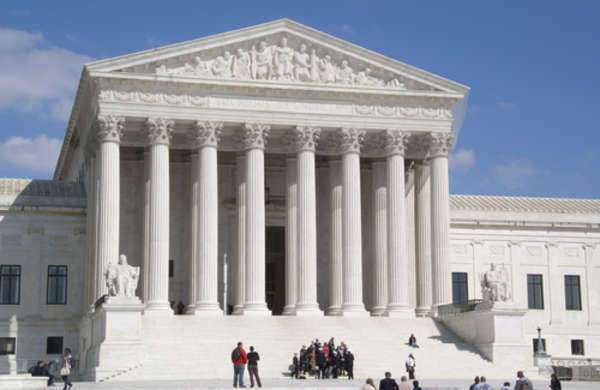
The Second Circuit Court of Appeals is formally known as the United States Court of Appeals for the Second Circuit. It is one of the thirteen United States Courts of Appeal currently in use in the United States of America. The Second Circuit Court of Appeals has jurisdiction over the States of Connecticut, New York, and Vermont. This Court has appellate jurisdiction for district courts in:
The District of Connecticut,
The Northern District of New York,
The Eastern District of New York,
The Southern District of New York,
The Western District of New York, and
The District of Vermont.
When the building is not undergoing renovations, the Second Circuit Court of Appeals ordinarily hears oral arguments in the Thurgood Marshall United States Courthouse in lower Manhattan. The Thurgood Marshall United State Courthouse is named for a Justice who formerly served on the Second Circuit Court of Appeals before resigning to serve as United States Solicitor General, and later being elevated to become the first African-American to serve on the Supreme Court of the United States.
However, since that Courthouse has been under renovation since 2006, the Second Circuit Court of Appeals has heard arguments across the street at the Daniel Patrick Moynihan United States Courthouse. Some of the Court's offices have relocated to the nearby Woolworth Building.
Since 1950, three justices on the Second Circuit Court of Appeals have been elevated to the Supreme Court: Justice John Marshal Harlan II (nominated by President Dwight D. Eisenhower), Justice Marshall (elevated by President Lyndon Baines Johnson), and Justice Sonia Sotomayor (elevated by President Barack Obama).