Supreme Court of The Philippines
📅 2026 Update: Recent Changes to the U.S. Court System
Since the original article was written, significant changes have occurred in the U.S. court system. Updates to various rules and fees may impact how cases are handled and processed. Readers can find the full details of the earlier article further down the page.
📝 📚 Recent Amendments to Court Rules
On December 1, 2025, amendments to the Federal Rules of Appellate Procedure, Bankruptcy Rules, and Civil Rules took effect. Changes include updates to Appellate Rules 6 and 39, Bankruptcy Rules 3002.1 and 8006, and Civil Rules 16 and 26. A new Rule 16.1 was also introduced.
💵 🏛️ Updated Filing Fees
As of May 1, 2025, the U.S. Court of Appeals for the Fourth Circuit has a docketing fee of $600 for petitions for review or mandamus. Additionally, there is a $605 fee for filing appeals from district courts.
These fees are important for anyone considering filing an appeal.
⏳ 🗓️ Changes in Processing Times
The Supreme Court's term runs from the first Monday in October through the Sunday before the next first Monday in October. Oral arguments are generally heard from October to April. Decisions are typically announced by the end of the Court's term, with some cases resolved sooner.
📄 ✍️ Petitions for Certiorari
To have a case reviewed by the Supreme Court, a party must file a petition for a writ of certiorari. This formal request asks the Court to review the lower court's record. The filing deadlines and specific requirements are outlined in the Federal Rules of Appellate Procedure.
📌 Key Points to Remember
- New rules took effect on December 1, 2025.
- Updated filing fees for appeals are now $600 and $605.
- Oral arguments occur from October to April.
- A petition for certiorari is necessary for Supreme Court reviews.
💡 Tips for Navigating the Court System
Review the specifics of your situation with your attorney.
🧭 📅 Know the Filing Deadlines
Filing deadlines can vary based on the type of case. The Federal Rules of Appellate Procedure detail the time frame for submitting petitions and briefs.
🔍 📜 Understand Fees and Costs
Be prepared for court fees. The U.S. Court of Appeals for the Fourth Circuit has specific fees for petitions and appeals that you should consider when planning your legal strategy.
📑 📚 Use Official Court Forms
The official forms for the Federal Rules of Appellate Procedure are available on the U.S. Courts website. Using the correct forms ensures your filings are processed without unnecessary delays.
⏳ 📅 Track Oral Argument Schedules
The Supreme Court usually hears oral arguments from October through April. Staying informed about the schedule helps you understand when decisions may be announced.
🤝 🏛️ Seek Free Legal Assistance
If you need help, local legal aid organizations can provide free or low-cost services. Law libraries often have resources and staff to assist the public.
🏆 Online Legal Services Ranked by User Reviews (2026)
This section includes various legal services that assist individuals with issues related to the court system. The order is based on Trustpilot data from October 2026. Ratings can change over time, and customer experiences may vary, with unhappy customers often leaving more reviews.
🥇 1. LegalMatch
LegalMatch has been rated 3.5. It is known for connecting clients with local attorneys and matching them with legal cases. Some users report challenges with unreturned calls and unanswered emails, which can affect their experience.
🥈 2. LegalShield
LegalShield holds a 4.5 rating. This service offers legal protection plans and access to attorneys for legal advice. Reviewers note some difficulties in reaching their assigned attorneys, which may impact timely assistance.
🥉 3. LegalZoom
LegalZoom averages 4.6. It provides online legal services, document preparation, and business formation assistance. Some users mention delays in customer support response times, which could be a concern for those needing immediate help.
4️⃣ Rocket Lawyer
Rocket Lawyer also holds a 4.5 rating. This service provides online legal services, document creation, and legal advice. Users have reported unexpected charges and concerns about the subscription model, which could affect their overall satisfaction.
🆓 Free Legal Resources
Local legal aid organizations offer free or low-cost assistance for various legal matters. Law libraries are another option, providing free resources and support for individuals seeking legal information.
🔎 What to Compare When Choosing Legal Services
- 📊 Trustpilot ratings and reviews
- 💼 Types of legal services offered
- 📞 Availability of customer support
- 💰 Cost structures and potential hidden fees
- 🏷️ User experiences regarding responsiveness
❓ Frequently Asked Questions
❓ What is a petition for certiorari?
A petition for certiorari is a formal request asking the Supreme Court to review a case from a lower court. This is necessary for the Court to consider the case.
🔄 How many cases does the Supreme Court accept each year?
The Supreme Court typically accepts 100 to 150 of the more than 7,000 cases it is asked to review annually. The focus is on cases with national significance.
⏳ How long does it take for the Supreme Court to release a decision?
Decisions from the Supreme Court are usually announced by the last day of the Court's term. Some unanimous decisions may be released as early as December.
🏛️ What are the original and appellate jurisdictions of the Supreme Court?
The Supreme Court has original jurisdiction in cases involving disputes between states or high-ranking officials. Its primary role is appellate jurisdiction, reviewing decisions from lower courts.
📄 Where can I find official court forms?
Official forms for the Federal Rules of Appellate Procedure are available in the Appendix of Forms published on the U.S. Courts website. Using these forms helps ensure proper filing.
📈 Are oral arguments open to the public?
Yes, oral arguments at the Supreme Court are open to the public. This allows interested individuals to observe the proceedings and understand the legal arguments being presented.
⚖️ Recent Cases Impacting Court Procedures
Recent Supreme Court rulings reflect significant developments in legal interpretation and procedural standards. These decisions shape how cases are handled within the court system and affect legal rights.
- Court rules on damage claims from Africa Transport LogisticsArmed Services Board of Contract Appeals · October 1, 2026
- Court dismisses Darnell Carter's tax refund claim against U.S.United States Court of Federal Claims · October 16, 2026
- Court Dismisses Tax Claim in Transupport v. United States CaseUnited States Court of Federal Claims · October 15, 2026
- Delaware Court Rules on Advancement of Legal ExpensesCourt of Chancery of Delaware · October 19, 2026
For more details on recent rulings, visit more rulings on the news page.
End of October 2026 Update
The judicial body comprised of the Supreme Court of the Philippines holds the powers of general legal oversight over the nation of the Philippines. In this regard, appeals filed against legal decisions previously made in any other court in the nation can last be appealed against in the setting of the Supreme Court of the Philippines, after which the complainant will have no more recourse to appellate sources of authority. The location of the Supreme Court of the Philippines can be found in Manila, specifically in buildings placed near the Philippines General Hospital.
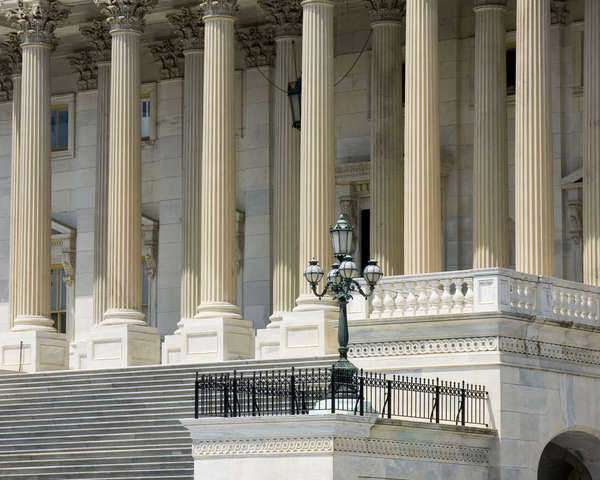
In historical terms, the Supreme Court of the Philippines can be traced back as an institution to 1901, in the beginning of the period during which the country was under American rule. In the early period of the Supreme Court of the Philippines, which scholars on the subject consider to have lasted from 1901 to 1935, most of the membership of the bench was reserved for American judges, with the exception of the seat of Chief Justice, which was invariably filled by a Filipino judge.
The composition and functions of the Supreme Court of the Philippines changed somewhat in accordance with the overall shift of the nation toward independence. In this regard, 1973 reforms saw the Supreme Court of the Philippines attaining a somewhat larger membership, which was expanded to a permissible 15 judges who could sit on the bench, as well as wider powers over the country’s judicial system, as had previously been vested with the Justice Department.