CA Supreme Court
📅 2026 Update: Changes in the U.S. Court System
Since the original article was published, there have been important updates in the U.S. court system, particularly regarding rules and fees. This section will highlight the key changes that affect court procedures and fees, which readers should be aware of. The original article continues further down the page for additional context.
📝 Changes to Federal Rules
December 1, 2025 marked the effective date for amendments to the Federal Rules of Appellate Procedure, Bankruptcy Rules, and Civil Rules. Significant changes include updates to Appellate Rules 6 and 39, Bankruptcy Rules 3002.1 and 8006, and Civil Rules 16 and 26. A new Rule 16.1 has also been introduced, which impacts how certain cases are processed.
💵 Updated Filing Fees
On May 1, 2025, the U.S. Court of Appeals for the Fourth Circuit introduced a docketing fee of $600 for petitions for review or mandamus. Additionally, there is a $605 fee for filing appeals from district courts.
These fees reflect the current costs associated with initiating cases in the appellate courts.
⏰ Oral Argument and Opinion Release
The Supreme Court's term runs from the first Monday in October to the Sunday before the first Monday in the following year. Oral arguments take place typically from October through April. The Court generally releases decisions by the last day of its term, with some unanimous decisions available as early as December.
📄 Filing a Petition for Certiorari
To have the Supreme Court review a case, a party must file a petition for a writ of certiorari. This formal request requires submitting specific documents according to the Federal Rules of Appellate Procedure. Timelines for filing these petitions vary based on the type of case.
📌 Key Takeaways
- Rule Changes: Significant amendments to federal rules were made in December 2025.
- Fees: New fees for appeals were introduced in May 2025.
- Oral Arguments: The Supreme Court hears oral arguments from October to April.
- Certiorari: A formal request is needed to have the Supreme Court review a case.
💡 Tips for Navigating the Court System
Reviewing your unique situation with your attorney is essential for navigating the court system effectively.
📝 Understand the Rules
Familiarize yourself with the Federal Rules of Appellate Procedure. Knowing these rules can help you prepare your case and avoid missteps during the filing process.
⏳ Be Aware of Deadlines
Deadlines for filing petitions and briefs are strict. Make sure to check the specific time frames for your case type to ensure timely submission.
💰 Budget for Costs
Prepare for potential costs associated with court fees. Understanding the financial requirements can help you plan better and avoid surprises.
📚 Use Available Resources
Take advantage of local legal aid organizations and law libraries for free assistance. These resources can provide valuable help in understanding court procedures.
🔍 Review Recent Opinions
Stay updated on recent Supreme Court opinions. Understanding how past decisions may influence your case can be critical to your legal strategy.
🏆 Online Legal Services Ranked by User Reviews (2026)
This section reviews online legal services related to court procedures and legal support, based on Trustpilot data from October 2026. Rankings are based on user reviews, which can fluctuate over time. Ratings reflect only one aspect of the service experience, with some unhappy customers being more vocal.
🥇 1. LegalZoom
LegalZoom has been rated 4.6. It is known for providing online legal services, including document preparation and business formation. Users have highlighted its ease of use, but some have reported delays in customer support response times, which could affect timely legal assistance.
🥈 2. LegalShield
LegalShield holds a rating of 4.5. This service is recognized for its legal protection plans and access to attorneys for legal advice. However, some users have expressed challenges in reaching their assigned attorneys directly, which may impact client experience.
🥉 3. Rocket Lawyer
Rocket Lawyer has a rating of 4.5. It is known for online legal services, including document creation and legal advice. Users appreciate its user-friendly platform, but some have mentioned unexpected charges and concerns about the subscription model.
4️⃣ LegalMatch
LegalMatch has been rated 3.5. It connects clients with local attorneys for legal case matching. While it serves as a useful resource, some users have reported issues with unreturned calls and unanswered emails, highlighting potential gaps in client communication.
🆓 Free Government and Nonprofit Help
Local legal aid organizations and law libraries provide free resources for individuals seeking legal assistance. These services often include guidance on court processes and access to legal information without charge.
🔎 Choosing Legal Services
- 🏆 Compare star ratings from user reviews.
- 📞 Check response times for customer support.
- 📝 Look at the types of legal services offered.
- 💰 Review any potential hidden fees or charges.
- 🤝 Consider customer service experiences shared by users.
❓ Frequently Asked Questions
🤔 What are the recent changes in court fees?
Recent changes include a $600 docketing fee for petitions for review or mandamus in the Fourth Circuit and a $605 fee for appeals from district courts, effective May 1, 2025.
📅 When do oral arguments take place in the Supreme Court?
Oral arguments in the Supreme Court typically occur from October to April of each year, during the Court's term.
📝 What is a petition for certiorari?
A petition for certiorari is a formal request to the Supreme Court to review a lower court's decision. It must follow specific guidelines set by the Federal Rules of Appellate Procedure.
📚 Are there free resources available for legal assistance?
Yes, local legal aid organizations and law libraries often provide free resources and assistance for individuals seeking help with legal matters.
⏳ How long does it take for the Supreme Court to release opinions?
The Supreme Court usually releases decisions by the last day of its term, with some unanimous decisions available as early as December.
📄 What is the process for filing a case in the Supreme Court?
Filing a case in the Supreme Court involves submitting a petition for a writ of certiorari, adhering to specific filing guidelines and deadlines outlined in the Federal Rules of Appellate Procedure.
⚖️ Recent Supreme Court Cases
The Supreme Court has made significant rulings that impact various legal areas, including citizenship and court procedures. These decisions reflect the ongoing evolution of the U.S. legal landscape.
- New York court rules on custody case involving nonrelative guardianAppellate Division of the Supreme Court of the State of New York · May 1, 2026
- Court dismisses father's appeal in custody modification caseAppellate Division of the Supreme Court of the State of New York · May 1, 2026
- New York Court Disbars Attorney for Misconduct and FelonyAppellate Division of the Supreme Court of the State of New York · May 1, 2026
- Kentucky court denies domestic violence order for minorsCourt of Appeals of Kentucky · May 29, 2026
For more details on recent rulings, visit the more rulings on the news page.
End of October 2026 Update
The California courts are divided according to the jurisdiction of each court. The CA DOJ handles many cases, including the presentation of evidence. For example, the county courts are generally found in the county seat or the capital of that county. The highest California courts are the supreme courts, which are directly above the California court of appeals.
The courts which are below the court of appeals are the Superior courts of California which encompass a myriad of types of cases. For example, divorce cases may be heard by the superior court. In fact, divorces which cannot be handled in mediation include the judge making all determinations for a divorce agreement.
At the same level of court, judges may also determine spousal support payments, child support payments and child custody issues. However, issues that pertain to the children are handled separately from the divorce agreement.
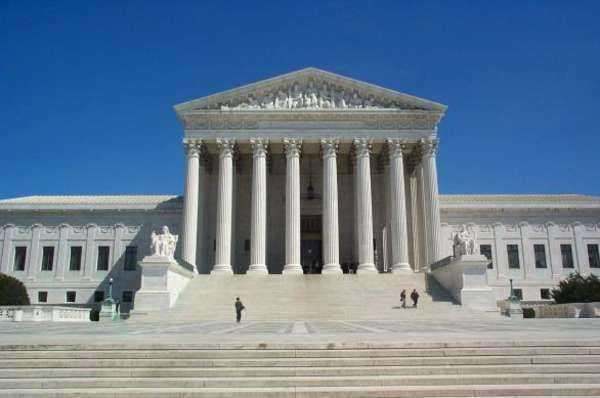
Any cases which involve a possibility that there was an error of law in reaching a decision or judgment may be sent to the Supreme Court. The judges which make up the Supreme Court may decide to throw out a decision from the lower courts if it appears that any laws or rules of law were broken.
In fact, the lower courts must abide by any decision made by the Supreme Court, including convictions which are thrown out, and the courts may have to retry a case in some circumstances. However, the State cannot send cases to the Supreme Court if they are unhappy with the outcome due to the double jeopardy rule.