High Court Defined
📅 2026 Update: Changes in U.S. Court Fees and Processes
Since the original article was published, there have been notable changes in the U.S. court system. Most importantly, filing fees for federal courts have increased. This update will summarize these changes and how they impact individuals dealing with court matters.
The original article continues further down the page, providing additional context and information.
💰 Federal Court Fee Increases
As of December 1, 2023, the filing fee for a new civil case in federal district courts is now $405.00. This amount includes a $350.00 filing fee and a $55.00 administrative fee. This is an increase from previous fees, which could affect those planning to file civil cases.
📝 Filing a Civil Complaint
Individuals representing themselves, known as pro se, must still file a complaint with the court. The Clerk’s Office provides court-approved forms that can be used for this purpose. This remains a vital step for anyone pursuing a civil case.
⏲️ Complaint Screening Process
After filing a civil complaint, the court will review it. While complaints are screened in a timely manner, there is no specific timeframe guaranteed for processing. This means individuals should be prepared for potential delays in their cases.
🆓 Free Access to Court Records
Indigent individuals can request fee exemptions for accessing court records. Up to $30 worth of court records can be accessed for free each quarter. Charges apply only after this limit is exceeded, making it easier for low-income individuals to obtain necessary documents.
📌 Key Points Summary
- Filing fees for federal civil cases increased to $405.00.
- Pro se individuals must file a civil complaint using court-approved forms.
- Complaint screening occurs without a guaranteed timeframe.
- Free access to court records is available up to $30 per quarter for those who qualify.
💡 Tips for Navigating U.S. Court Processes
Review the specifics of your situation with your attorney to understand the best steps to take.
🗂️ Understand Filing Fees
Before filing a case, know the associated fees. Federal civil cases now cost $405.00 to file. Budgeting for these costs will help you avoid surprises later.
🕒 File Promptly
Even though there's no strict deadline for filing a complaint, it's wise to do so quickly. Filing promptly helps prevent issues related to the statute of limitations.
📝 Use Approved Forms
When filing a civil complaint, use the forms provided by the Clerk’s Office. These forms are designed to meet court requirements, reducing the chance of errors.
💸 Explore Fee Waivers
If you are unable to afford filing fees, consider applying for an In Forma Pauperis (IFP) status. This can help you have your fees waived if the court approves your application.
📜 Keep Track of Records
Keep copies of all documents submitted to the court. Having your own records can help you track your case progress and provide necessary information when needed.
🔍 Stay Informed About Court Processes
Understanding how the court system works can help you navigate it more effectively. Familiarize yourself with terms and procedures that apply to your case.
🏆 Online Legal Services Ranked by User Reviews (2026)
This section highlights online legal services that assist with document preparation and legal advice, relevant to navigating the court system. The rankings are based on Trustpilot data from October 2026. Keep in mind that star ratings can change, and unhappy customers often leave more reviews, affecting overall scores.
🥇 1. LawDepot
LawDepot has been rated 4.1. It is known for providing online legal document preparation, especially for estate planning documents. However, some users caution that the subscription model might lead to unexpected charges, so it's important to monitor your account.
🥈 2. Rocket Lawyer
Rocket Lawyer holds a 4.5 rating. This service is recognized for legal document preparation and offering legal advice. Users have noted that the subscription model may result in additional costs, which should be considered before signing up.
🥉 3. LegalZoom
LegalZoom also has a 4.5 rating. It is known for its online legal document preparation and business formation services. As with others, the subscription model can lead to unexpected charges, so being aware of this aspect is advisable.
🆓 Free Legal Options
Individuals can access various free legal resources. For example, indigent individuals can request fee exemptions from courts for accessing records. Additionally, up to $30 worth of court records can be accessed for free each quarter, helping those in need to obtain necessary information without incurring costs.
🔎 Key Considerations When Choosing Legal Services
- 🏷️ Compare service fees and potential hidden costs.
- 📋 Review the types of documents offered.
- 📞 Check the availability of customer support.
- 🌐 Look at the ease of navigating the website.
- 📊 Read user reviews to gauge overall satisfaction.
❓ Frequently Asked Questions
🤔 What are the current federal court filing fees?
The filing fee for a new civil case in federal district courts is $405.00 as of December 1, 2023.
🕒 How long does it take for a complaint to be processed?
There is no guaranteed timeframe for processing complaints in federal court. The court reviews them in a timely manner, but delays can occur.
📝 Can I file a complaint without a lawyer?
Yes, individuals have the right to represent themselves in federal court. It is essential to follow all applicable rules and procedures.
🎟️ What is In Forma Pauperis status?
In Forma Pauperis (IFP) status allows individuals who cannot afford filing fees to request a waiver. This application must be approved by the court.
📚 How can I access court records for free?
Indigent individuals can request fee exemptions, and up to $30 worth of court records can be accessed for free each quarter.
📖 Where can I find court opinions?
Court opinions from many appellate, district, and bankruptcy courts are available for free on the U.S. Government Publishing Office website.
⚖️ Recent Cases Related to U.S. Courts
Recent court rulings illustrate ongoing developments in U.S. legal processes and their implications for individuals navigating the court system.
- Puerto Rico court rules on expert testimony in property caseTribunal De Apelaciones De Puerto Rico/Court of Appeals of Puerto Rico · April 1, 2026
- Puerto Rico court upholds ruling in property dispute caseTribunal De Apelaciones De Puerto Rico/Court of Appeals of Puerto Rico · April 6, 2026
- North Carolina court affirms custody ruling in Raburn caseCourt of Appeals of North Carolina · June 3, 2026
- Court rules on contract dispute between Outer Banks Ventures, Inc. and Currituck CountyCourt of Appeals of North Carolina · June 3, 2026
For more recent rulings, feel free to browse more rulings on the news page.
End of October 2026 Update
A Superior Court, sometimes called a High Court, is a type of court that maintains general jurisdiction. As a result, Superior Courts have the authority to hear cases regardless of their nature. This includes both civil and criminal actions, as well as appeals.
Prior to the establishment of Superior Courts, many states possessed a number of lesser courts. For example, a State may have traffic courts, municipal courts, and a number of other less extensive types of courts. These lesser courts have limited jurisdiction and are only able to preside over certain types of cases. Today, many states maintain these lesser courts and they are still in operation. However, Superior Courts have also been established and these courts have unlimited jurisdiction.
A Superior Court can be known by many different names. The title will vary depending upon the State in which the court is located. Some popular titles for superior courts include district courts, circuit courts, courts of common pleas, and supreme courts. The jurisdiction of a Superior Court will also differ based upon its location. For example, the superior courts located within Pennsylvania are primarily concerned with appeals, and therefore, function as an appellate court.
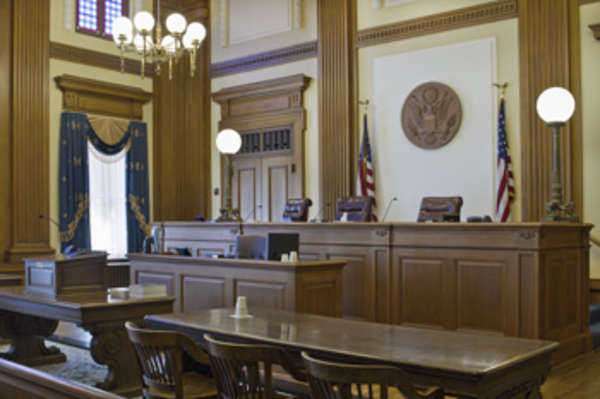
Superior Courts are also popular in Canada, though they function in a slightly different manner than Superior Courts in the United States. A state can possess multiple superior courts. These courts often operate on a state level. However, there are also County Superior Courts located in states throughout the country.