Additur
📅 2026 Update: Changes in the U.S. Court System
Since the original article was published, there have been updates and changes in the U.S. court system that are important for readers to know. This section highlights those changes, particularly around legal terms and procedures. The earlier article continues further down this page, providing foundational information on court types and processes.
🏛️ Changes in Court Procedures
Recent adjustments in court procedures focus on improving accessibility and efficiency. Courts have increasingly adopted digital filing systems, making it easier for individuals to file documents online. This shift allows for quicker processing times and reduces the need for in-person visits.
📄 Updated Fees and Forms
Filing fees and forms have also seen updates. Courts regularly revise their fee structures to reflect inflation and administrative costs. Individuals should check their local court's website for the most current fees and required forms to avoid delays in their cases.
⏳ Processing Times
Processing times for court cases can vary widely. While some cases can be resolved quickly, others may take months or even years. Newly implemented case management systems aim to streamline these processes, but actual times can depend on the court's workload.
🆘 Available Assistance
Various resources are available to help individuals navigate the court system. Many courts offer self-help centers and online resources for those representing themselves. Nonprofit organizations also provide free legal assistance for qualifying individuals facing specific legal issues.
📌 Key Takeaways
- Digital filing is becoming standard, improving accessibility.
- Always check your local court for the latest fees and forms.
- Be aware that processing times can vary greatly.
- Utilize self-help resources provided by courts and nonprofits.
- Stay informed about changes in court procedures that may affect your case.
💡 Tips for Navigating the Court System
Review the details of your own situation with your attorney to ensure you understand the specifics of your case.
📝 Understand Court Types
Different courts handle different types of cases. Familiarize yourself with whether your case belongs in a small claims court, superior court, or another type. This knowledge will help you file in the right place.
📆 Keep Deadlines in Mind
Pay close attention to deadlines for filing documents and responding to court notices. Missing a deadline can have serious consequences for your case. Mark important dates on your calendar to stay organized.
📑 Gather Your Documents
Before filing, make sure you have all necessary documents ready. This includes any evidence, forms, and identification. Proper preparation can save time and reduce stress during the filing process.
💬 Communicate Clearly
When dealing with court staff or opposing parties, clear communication is essential. Be respectful and concise when presenting your case or asking questions. This approach can help facilitate a smoother process.
🔍 Research Local Rules
Each court may have its own set of rules and procedures. Research your local court’s specific requirements to ensure compliance. This knowledge can prevent unnecessary delays in your case.
❓ Frequently Asked Questions
❔ What is additur in court cases?
Additur is a legal term referring to a court's ability to increase the amount of damages awarded by a jury. This process typically occurs when the judge believes the jury's award is inadequate.
🏛️ How do I file a small claims case?
To file a small claims case, you need to visit your local small claims court. Bring all necessary documents and pay the required filing fee. Make sure to follow your court's specific procedures.
📅 What are typical small claims limits?
Small claims limits vary by state. Generally, these limits range from $2,500 to $10,000. Always check your state’s regulations for the exact amount allowed.
🕒 How long does a small claims case take?
The duration of a small claims case can vary, but many cases are resolved within a few months. Factors such as court schedules and complexity can influence the timeline.
📞 Can I represent myself in court?
Yes, individuals have the right to represent themselves in court. However, it is advisable to understand the legal procedures to avoid mistakes that could impact your case.
📝 What do I need for my court hearing?
For your court hearing, gather all relevant documents, evidence, and any witness statements. Being well-prepared can help present your case more effectively.
⚖️ Recent Court Rulings Impacting Cases
Several recent rulings may affect various cases within the U.S. court system, particularly those involving damages and court procedures. These rulings can set precedents that influence how similar cases are handled in the future.
- Puerto Rico court rules on contract dispute consolidationTribunal De Apelaciones De Puerto Rico/Court of Appeals of Puerto Rico · August 13, 2026
- Puerto Rico Court Denies Summary Judgment in Easement CaseTribunal De Apelaciones De Puerto Rico/Court of Appeals of Puerto Rico · August 12, 2026
- Puerto Rico Appeals Court Rules on Contract Dispute CaseTribunal De Apelaciones De Puerto Rico/Court of Appeals of Puerto Rico · August 12, 2026
- Puerto Rico Court Rules on Municipal Property Expropriation CaseTribunal De Apelaciones De Puerto Rico/Court of Appeals of Puerto Rico · August 10, 2026
You can browse more rulings on the news page for the latest updates on court decisions.
End of October 2026 Update
What does additur mean?
Additur is a term that describes when a jury awards a certain amount of damages but the judge then increases the damages awarded to the plaintiff. This action by a trial judge is not permitted in U.S. federal courts, but some states have allowed for additur in the past.
What is the Opposite of additur?
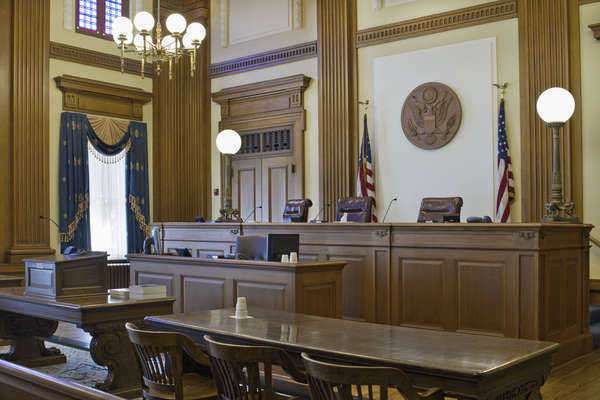
The opposite is called remittitur. This occurs when a judge decreases the amount for damages originally awarded by the jury. This action by a trial judge is allowed under federal law.
What makes remittitur Legal in U.S. Federal Courts?
Remittitur is allowed in U.S. federal courts because of conditions under the Seventh Amendment. The Seventh Amendment gives rights to parties for a jury trial and also states that suits in common law cannot be reexamined in other U.S. Court because of the Re-Examination Clause. However, the trial judge does have the ability to decrease the settlement awarded by the jury.
This clause has been addressed during several cases throughout history. The cases below provide analysis about remittitur and additur.
Dimick vs. Schiedt (1935)During this case, Peter Schiedt recovered damages from David G. Dimick for injuries related to negligence. The jury awarded the plaintiff with $500, but Schiedt petitioned for a re-trial to increase the compensation to $1,500. The respondent appealed and the court sided with the respondent because of conditions in the Seventh Amendment.
Fisch v. Manger (1957)Additur was allowed in this case because the plaintiff did not receive justice after the jury initially awarded $3,000 to the plaintiff for serious injuries incurred during a car accident. After the verdict, the judge stated that unless the awards were increased to $7,500, he would set aside the verdict and issue a new trial for the damages only. The judge was allowed to issue a new trial because the awards offered to the plaintiff were insignificant compared to the injuries.