US District Court Easy Overview
📅 2026 Update: Changes in US Court Procedures and Systems
Since the original article was published, several important changes have occurred in the U.S. court system. These updates include new fees, judicial salary adjustments, and significant improvements to court management systems. The earlier article continues further down the page, providing foundational information about the courts and procedures.
🏛️ Federal Case Management Overhaul
In September 2026, the Judicial Conference announced plans to overhaul the federal courts' Case Management/Electronic Case Files (CM/ECF) system. The first component of this upgrade is expected to launch before the end of 2026. This modernization aims to improve the efficiency of filing and managing cases electronically.
🏢 Real Property Authority Initiative
In February 2026, the Judiciary requested Congress for authority to manage properties essential for federal courts. This move addresses a $8.3 billion backlog in critical courthouse repairs. It is aimed at enhancing the infrastructure necessary for the judicial system to function effectively.
💵 PACER Fee Increase
Starting January 1, 2027, the fee for accessing Public Access to Court Electronic Records (PACER) will increase from 10 cents to 12 cents per page. This increase is intended to help fund the modernization of the case management system. Users should be aware of this change when planning to access court records.
👩⚖️ Judicial Compensation Adjustments
As of 2026, annual salaries for federal judges have been set at:
- District Judges: $249,900
- Circuit Judges: $264,900
- Associate Justices: $306,600
- Chief Justice: $320,700
These salary adjustments reflect the judiciary's ongoing efforts to ensure competitive compensation for judges.
📌 Key Points
- Case Management Overhaul: New CM/ECF system expected to improve efficiency.
- Real Property Initiative: Request to manage properties addressing courthouse repairs.
- PACER Fee Increase: Access fees rise to 12 cents per page in 2027.
- Judicial Salaries: Updated salaries for federal judges as of 2026.
💡 Tips for Navigating the Court System
Consider discussing your specific situation with your attorney to understand your options.
📄 Understand Filing Procedures
Filing procedures and forms can vary by court. Always check the local rules and requirements of the specific district or circuit where you plan to file your case.
⏰ Meet Filing Deadlines
Filing deadlines are governed by the Federal Rules of Civil Procedure. Make sure to adhere to these deadlines to avoid penalties or dismissal of your case.
🔍 Use Local Resources
Look for local legal aid offices through the Legal Services Corporation (LSC). They provide resources for finding free or low-cost legal assistance.
📈 Check Processing Times
Case processing times can differ widely based on a case's complexity and the specific court. For accurate timelines, refer to the local court rules.
🏛️ Know Your Jurisdiction
Federal courts handle cases involving federal laws, state disputes, and cases involving the federal government. Understanding this jurisdiction is crucial for filing your case correctly.
🏆 Free Options Ranked by User Reviews (2026)
In this area, there are no national paid services that met the review threshold, so here are free government and nonprofit resources that can assist you.
🥇 1. Legal Services Corporation (LSC)
The LSC is a nonprofit organization that offers resources to help people find legal aid in their local areas. It focuses on providing legal assistance to low-income individuals. This organization connects users with local legal aid offices that can help with various legal matters.
🥈 2. Local Legal Aid Offices
Many communities have local legal aid offices that provide free or low-cost legal services. These offices often handle family law, housing issues, and other civil matters. They are a good starting point for anyone needing legal assistance.
🥉 3. Pro Bono Programs
Various pro bono programs offer free legal help from volunteer attorneys. These programs focus on serving low-income clients and may cover a wide range of legal issues. Interested individuals can contact local bar associations to find available programs.
4️⃣ Court Self-Help Centers
Many federal and state courts have self-help centers that provide resources and assistance for individuals representing themselves. These centers often offer guidance on filling out forms and understanding court procedures.
5️⃣ State Bar Association
State bar associations often provide resources and referrals for legal assistance. They can help connect individuals with local legal services or provide information on how to navigate the court system.
🔎 Before Paying for Help
- 🏢 Check for free or low-cost options first.
- 📅 Understand the potential costs and fees involved.
- 📞 Contact organizations directly to ask about their services.
- 📋 Review any available online resources for guidance.
❓ Frequently Asked Questions
❓ What do I do if I miss a filing deadline?
If you miss a filing deadline, you may need to file a motion for an extension. However, this is not guaranteed and can vary by court, so it's essential to act quickly.
🔍 How can I access court records?
You can access court records through the PACER system. Note that fees will increase to 12 cents per page starting January 1, 2027.
📅 How long does a federal case take to process?
Processing times can vary widely based on the case's complexity and the specific court's workload. Always check the local rules for estimated processing times.
📜 What should I bring to court?
Bring all relevant documents, identification, and any evidence that supports your case. It's also helpful to have copies for the judge and other parties involved.
⚖️ Can I represent myself in court?
Yes, individuals can represent themselves in court, but it's advisable to seek legal aid or assistance. Self-help centers can provide resources and guidance.
🔒 What measures are in place for cybersecurity in federal courts?
In October 2026, a cybersecurity incident affected the Bankruptcy Noticing Center. Ongoing measures are in place to enhance cybersecurity protocols within the federal court system.
⚖️ Recent Cases Affecting the Court System
Recent court rulings have shaped various aspects of federal case management and judicial procedures. These updates connect closely to the information outlined in this article.
- Court voids convictions for property code violations in PACommonwealth Court of Pennsylvania · September 21, 2026
- Court Rules on Judge's Participation in Military CaseCourt of Appeals for the Armed Forces · September 21, 2026
- California AG allows quo warranto suit against trusteeCalifornia Attorney General Reports · September 22, 2026
- Hawaii Supreme Court denies writs in L.F. caseHawaii Supreme Court · September 22, 2026
For more recent rulings, check the news section for the latest updates on court cases and decisions. more rulings on the news page.
End of October 2026 Update
In the United States, the first court level of the Federal judicial system is the U.S. District Court, followed by the Court of Appeals and the Supreme Court. When a Federal violation is being heard in court, the court proceedings will occur in one of the U.S. District Courts.
The United States District Court is a trial court that handles both criminal and civil cases. In the U.S. District Court, Federal cases are heard, and subsequently a jury delivers a verdict on these cases. Defendants will then be sentenced appropriately. When United States citizens are selected for jury duty they may potentially serve on a jury within a District Court.
Following a trial in a District Court, a defendant may request that the verdict be reviewed by the Court of Appeals, and in some instances, the verdict will be overturned.
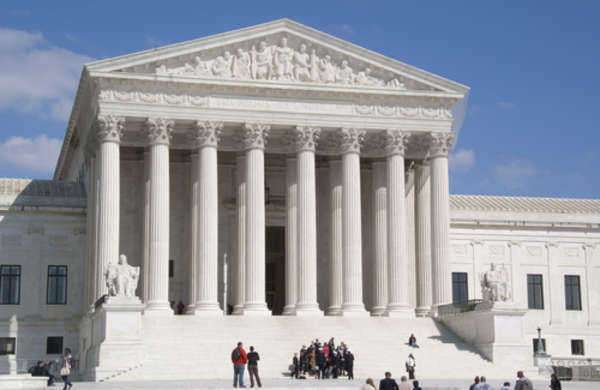
There are many different U.S. District Courts located in states throughout the country. As a result, an individual who is required to appear in court will have reasonable access to a District Court. There are numerous legal violations that may be addressed in a District Court.
Any offense that involves the violation of Federal laws will fall under the jurisdiction of the United States District Court, as opposed to local or State courts. The list of potential Federal offenses is extensive. For example, mail theft, illegal immigration, securities fraud, possession of an illegal substance, cyber crimes, and embezzlement are all examples of Federal crimes.
In addition, assault and murder can be Federal crimes, depending on who is involved, where the events occur, and the surrounding circumstances. Therefore, U.S. District Courts address a wide range of different cases.