General Outline of Court Cases
📅 2026 Update: Recent Changes in Court Procedures and Costs
Since the original article was written, several important updates have occurred in the U.S. court system that affect court procedures, costs, and rules. This includes amendments to federal civil procedures and changes in filing fees. The earlier article continues further down the page.
🏛️ Federal Rules of Civil Procedure Amendments
On December 1, 2025, amendments were made to the Federal Rules of Civil Procedure. This includes changes to Rules 16 and 26, as well as the introduction of a new Rule 16.1. These amendments aim to improve case management and streamline procedures in federal courts.
📈 Increased Filing Fees
As of May 28, 2026, the filing fee for a civil case is now $405.00. This fee includes a $55.00 administrative charge. Additionally, the fee for filing a notice of appeal has risen to $605.00.
These increases may affect individuals considering legal action.
⏳ Ongoing Case Management Modernization
The judiciary is currently modernizing case management and public access systems. This project was approved in June 2026 and aims to enhance how cases are handled and accessed. A temporary increase in fees for electronic access to court records will begin on January 1, 2027.
🗃️ Record Retrieval Costs
Retrieving court records now comes with specific fees. The cost for retrieving one box of records is $70.00, with an additional $43.00 for each extra box. This is important for individuals needing access to their legal documents.
📌 Key Takeaways
- 🔍 Federal Rules of Civil Procedure were updated on December 1, 2025.
- 💰 The civil case filing fee is now $405.00.
- 🏗️ Case management modernization is in progress, starting January 1, 2027.
- 📦 Record retrieval fees apply, starting at $70.00 for one box.
- ⚖️ Be aware of the temporary fee increases for electronic access to court records.
💡 Tips for Navigating Court Procedures
Review all details of your situation with your attorney.
📜 Understand Your Local Rules
Each court has its own set of local rules that can impact your case. Familiarizing yourself with these rules is crucial for a smooth process. For example, local rules in the Southern and Eastern Districts of New York updated on January 2, 2026.
⏰ Pay Attention to Deadlines
The Federal Rules of Civil Procedure amendments became effective on December 1, 2025. Make sure to meet all deadlines tied to these rules to avoid delays in your case.
⚖️ Be Aware of Fee Exemptions
Certain entities, like federal agencies, may be exempt from paying fees. Understanding these exemptions can help you plan your case budget better.
💻 Utilize PACER for Records
The Public Access to Court Electronic Records (PACER) system offers electronic access to court records. Be aware that fees apply for usage, so check your access needs before proceeding.
🛠️ Explore Free Resources
The Legal Information Institute (LII) provides free access to legal information, including court costs and procedures. This can be a helpful resource for understanding your situation better.
🏆 Top Legal Services Ranked by User Reviews (2026)
This section highlights various legal services that can assist with court processes, filings, and document creation. The order follows Trustpilot data verified in October 2026, and while scores are one signal of service quality, keep in mind that unhappy customers often leave more reviews.
🥇 1. LegalShield
LegalShield has been rated 4.4. It is known for providing legal subscription services and access to a network of law firms. Reviewers have noted mixed experiences with customer service and response times, which may vary based on the case handled.
🥈 2. Rocket Lawyer
Rocket Lawyer holds a score of 4.5. This service is recognized for its online legal document creation and affordable legal services. Some users prefer single-use services over subscription models, which can lead to varying levels of satisfaction.
🥉 3. TotalLegal
TotalLegal has an impressive rating of 4.6. It is known for its intuitive website layout and comprehensive guides for legal documents. However, some users have reported occasional delays in document delivery, which could impact urgent needs.
4️⃣ Atticus
Atticus holds a high score of 4.9. This service specializes in assistance with disability, workers' compensation, and VA benefit cases. Users appreciate the free advice and support, though some may find the process time-consuming.
5️⃣ LegalZoom
LegalZoom has a rating of 4.6. It is well-known for its business formation services, estate planning, and intellectual property registration. Some users have reported delays and customer service issues, highlighting the importance of clear communication.
🆓 Free Legal Resources
PACER and the Legal Information Institute provide free access to court records and legal information. These resources can be beneficial for understanding procedures and costs without incurring fees.
🔎 Choosing the Right Legal Service
- 📊 Review the Trustpilot scores to gauge user satisfaction.
- 📝 Check for document creation and filing assistance offered.
- 💼 Consider the type of services provided, depending on your needs.
- 🔄 Look for subscription vs. single-use options.
- 💬 Read customer reviews for insights on service quality.
❓ Frequently Asked Questions
❓ What are the new federal rules?
The Federal Rules of Civil Procedure were amended on December 1, 2025. These changes include updates to Rules 16 and 26 and the introduction of Rule 16.1.
📅 How do I find the local rules for my court?
Local rules can typically be found on the official court website for your jurisdiction. For example, the Southern and Eastern Districts of New York updated their local rules on January 2, 2026.
💸 Are there any fee exemptions for filing?
Certain entities, such as federal agencies and individuals providing services under the Criminal Justice Act, are exempt from paying fees. Understanding these exemptions can help save costs in legal proceedings.
🖥️ How can I access court records?
You can access court records electronically through the PACER system. However, be aware that fees are applicable for this service.
📅 What should I know about filing deadlines?
Filing deadlines are critical in court cases. Ensure you are aware of any amendments to the Federal Rules of Civil Procedure, effective December 1, 2025, to avoid missing important dates.
📦 What are the costs for record retrieval?
Retrieving one box of court records costs $70.00, with an additional $43.00 for each extra box. Be prepared for these fees if you need to access multiple records.
⚖️ Recent Cases Impacting Court Procedures
Several recent court rulings have influenced court procedures and practices in the U.S. These changes are relevant to understanding how cases are managed and what to expect when navigating the legal system.
- Puerto Rico court rules against Taveras in insurance disputeTribunal De Apelaciones De Puerto Rico/Court of Appeals of Puerto Rico · August 25, 2026
- Puerto Rico court denies appeal in mortgage dispute caseTribunal De Apelaciones De Puerto Rico/Court of Appeals of Puerto Rico · August 27, 2026
- Puerto Rico Appeals Court Rules on Inheritance DisputeTribunal De Apelaciones De Puerto Rico/Court of Appeals of Puerto Rico · August 31, 2026
- Puerto Rico court upholds ruling against Zoraida López DíazTribunal De Apelaciones De Puerto Rico/Court of Appeals of Puerto Rico · August 31, 2026
For more information, you can check out more rulings on the news page.
End of October 2026 Update
What are Court cases?
Court cases, in the scope of the law, refer to an official legal review of a dispute between opposing parties. Court cases, thus, evaluate legal issues that arise between opposing parties (individuals, entities, government agencies etc.).
The severity of the charges and the subject matter revolving around a court case will vary on a case by case basis. For example, felony charges or issues of criminal law will be evaluated in a criminal court case, while minor infractions or issues involving family law, foreclosures, or small monetary issues will be tried in a civil setting.
There are two predominant types of court cases: civil and criminal. Within each court case, however, there is a defending party (individual or entity who is defending the claims made against them) and an accusing party or plaintiff, who seeks justice for the alleged wrongdoing precipitated by the defending party.
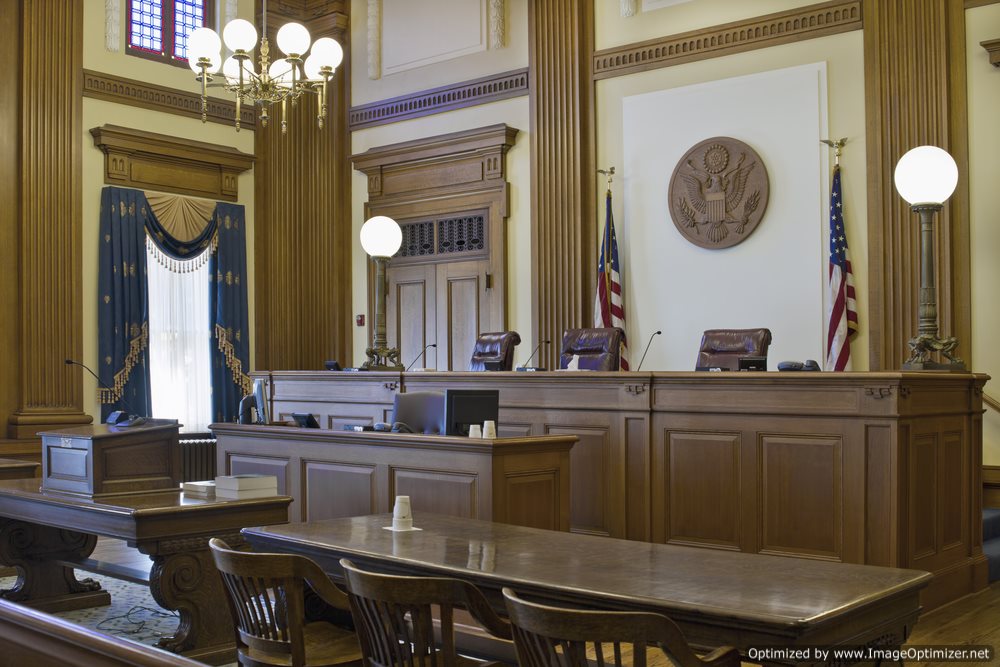
Types of Court cases:
Civil Court cases: Civil court cases, which are commonly known as lawsuits, begin when a plaintiff files a legally binding document called a Complaint with a court system. The Complaint, which initiates all civil court cases, informs the judiciary system of the wrongdoing that took place.
This action is precipitated by the defendant and directly or indirectly imposed some form of damage (monetary or physical damages) on the filing party. Civil Court cases, similar to all forms of legal court cases, aim to find a resolution or legal remedy to the underlying problem.
A civil case, when compared to a criminal case, can be resolved outside of the courtroom through alternative methods, such as arbitration or mediation. These forms of remedy may take the form of an injunction (which requires the defendant to perform or refrain from delivering some sort of action), an exchange of money (or a settlement), or a declaratory judgment, which will determine that the plaintiff has established legal rights that cannot be infringed.
In a civil case, the plaintiff must make an effort to inform the defendant of the case through a service of process. This procedure informs the defendant that the plaintiff filed a Complaint or legal matter with the underlying court.
At any point during civil court cases, the parties may agree to partake in a settlement, which effectively ends the case, although in some situations, such as in class action lawsuits, a settlement will require court approval in order to maintain its legal binding status.
Criminal Court cases: In common law jurisdictions, criminal court cases begin when a person suspected of a crime or felony is indicted by a grand jury or charged with the offense by a Government official (district attorney or prosecutor).
Similar to civil court cases, all criminal court cases may be settled before a formal trial. This process, which is known as a plea bargain, is offered in some jurisdictions and will be made available in alignment with the severity of the allegation.
The plea bargain effectively labels the defendant as guilty while offering the individual a lesser criminal punishment. If a person does not attend a trial on their scheduled court date, they will incur additional penalties.
Basics of a Court case:
All Court cases, whether civil or criminal, are based off the idea that any dispute will be resolved when a legal procedure is attached to the issue. The legal procedure in all court cases will evaluate all evidence and facts involved in the case. The legal procedure, thus, determines the truth of the issue with respect to claims of guilt, liability, innocence or a lack of fault.