Are Court Records Free
📅 2026 Update: Changes to Accessing Court Records
Since the original article was published, there have been important updates regarding the availability and costs of accessing court records in the United States. Key changes include the current fees for using the PACER system and information on how to retrieve federal court records. Readers can find the earlier article further down this page for more foundational information on this topic.
🏛️ Current PACER Fees
Accessing federal court records through the PACER system now costs $0.10 per page, with a maximum charge of $3.00 per document. Users will receive quarterly bills for these fees. It's important to note that fees are waived for users who accrue less than $30 in a quarter.
📁 Document Retrieval Costs
If you need to retrieve a document from the Federal Records Center, there is a fee of $64. This cost applies regardless of the number of pages in the document requested.
🖥️ Accessing Court Records Online
To access federal court records online, you must register for a PACER account. The registration process is free, but remember that accessing the records will incur costs. This online access makes it easier for users to find the information they need without visiting a courthouse.
📅 Scheduled Maintenance Impact
On October 11, 2026, the PACER system underwent maintenance from 6:55 a.m. to 7:00 p.m. ET. During this time, some portions of the site were temporarily degraded, which may have affected users' ability to access court records.
📌 Key Points
- 📜 PACER fees are $0.10 per page and capped at $3.00 per document.
- 💵 $64 fee for retrieving documents from the Federal Records Center.
- 🖥️ Free registration for PACER accounts, but accessing records incurs fees.
- ⏲️ Scheduled maintenance can temporarily affect access to records.
💡 Tips for Accessing Court Records
Review your specific situation with your attorney to understand how it applies to accessing court records.
🔍 Understand PACER Fees
Before accessing records, be aware of the fees associated with PACER. Knowing the costs can help you plan your budget for accessing the information you need.
📞 Use the PACER Service Center
If you encounter issues with your PACER account or have technical questions, the PACER Service Center can provide assistance. They are available to help users navigate any problems related to account management.
🏢 Visit Local Courthouses
For those who prefer not to use PACER, public computer terminals are available at courthouses in Kansas City, Topeka, and Wichita. You can research case information by case number, party name, or filing date range.
📅 Check Court Hours
When visiting courthouses, remember that they are open Monday to Friday from 9:00 a.m. to 4:30 p.m. They are closed on national holidays, so plan your visits accordingly.
📚 Research Case Information
Docket information is available for civil cases filed after 1991 and for criminal cases filed after 1994. Document images in PDF format are available for civil cases filed after March 2003.
🏆 Court Record Services Ranked by User Reviews (2026)
This section highlights services that assist in accessing court records, legal documents, and more. The rankings are based on Trustpilot data verified in October 2026. Star ratings reflect user experiences but can change over time, as unhappy customers often leave more reviews.
🥇 1. LegalZoom
LegalZoom has been rated 4.6. This service is known for online legal document preparation and business formation services. Users appreciate the ease of creating documents and accessing legal information.
However, some report delays in processing times and occasional issues with customer service responsiveness.
🥈 2. LegalShield
LegalShield holds a score of 4.4. It is recognized for its legal subscription services and access to a network of attorneys. Reviewers find value in the affordable legal assistance provided.
Some users, however, mention difficulties in reaching assigned attorneys and slow callback times.
🥉 3. Rocket Lawyer
Rocket Lawyer averages 4.5. This service is known for its online legal document creation and user-friendly interface. Customers benefit from affordable legal services tailored to their needs.
A common caveat is that some users find the subscription model less suitable for infrequent use and have experienced issues with customer support responsiveness.
4️⃣ RecordsFinder.com
RecordsFinder.com has a score of 4.5. It provides access to over 2 billion public records, people search services, and comprehensive background checks. Users appreciate the extensive database available for searches.
However, some report concerns about data accuracy and occasional issues regarding data privacy.
🆓 Free Government Options
The PACER Service Center offers free assistance for users with technical issues or account management questions. Additionally, the National Archives provides resources and guidance for accessing federal court records, including information on holdings and retrieval processes.
🔎 What to Compare When Choosing a Service
- 📄 Types of documents offered.
- 💰 Fees and pricing structures.
- 🕒 Processing times for requests.
- 📞 Customer service quality and responsiveness.
- 🔍 Availability of free resources.
❓ Frequently Asked Questions
❓ What should I do if I have trouble accessing PACER?
If you experience issues accessing PACER, you can contact the PACER Service Center. They provide support for account management and technical difficulties.
🔒 Are there restrictions on accessing certain court records?
Yes, some documents may be sealed or restricted from public access, especially in cases with significant public interest or security concerns.
🏛️ Where can I find public computer terminals for court records?
Public computer terminals are available in the lobbies of divisional offices in Kansas City, Topeka, and Wichita. These terminals allow you to research case information.
📅 What are the operating hours for PACER?
PACER operates online 24/7 for account holders. However, local courthouse hours may vary, so you will need to check the specific hours of the courthouse you wish to visit.
💼 Can journalists access federal court documents?
Yes, journalists can access most federal court documents online through PACER. However, they should be aware that some records may be sealed or have restricted access.
📞 How often are PACER fees billed?
PACER fees are billed quarterly. Make sure to monitor your usage to avoid exceeding the waived fee threshold of $30.
⚖️ Recent Court Cases
Recent court rulings provide insights into the current state of legal proceedings and access to court records. These rulings highlight the ongoing discussions about public access to court documents and the implications of fees associated with them.
- Puerto Rico court upholds dismissal of negligence lawsuitTribunal De Apelaciones De Puerto Rico/Court of Appeals of Puerto Rico · August 31, 2026
- Puerto Rico court rules on property dispute over rental paymentsTribunal De Apelaciones De Puerto Rico/Court of Appeals of Puerto Rico · August 31, 2026
- Puerto Rico Court Rules on Tax Debt Prescription CaseTribunal De Apelaciones De Puerto Rico/Court of Appeals of Puerto Rico · August 31, 2026
- Puerto Rico court rules on condominium assembly disputeTribunal De Apelaciones De Puerto Rico/Court of Appeals of Puerto Rico · August 31, 2026
For more recent rulings, you can check the latest updates in the news section.
End of October 2026 Update
All courts are required to keep records regarding court proceedings that occur within their courthouses. Every court maintains separate court records. As a result, locating a desired court record can be slightly challenging. Federal court records, State court records, and county court records are each maintained separately.
Today, advances in technology and the presence of computer-based electronic databases has made maintaining and locating court records much easier for the Government and the public. Now, an individual is able to search through court records from the comfort of his/her home by clicking a few buttons.
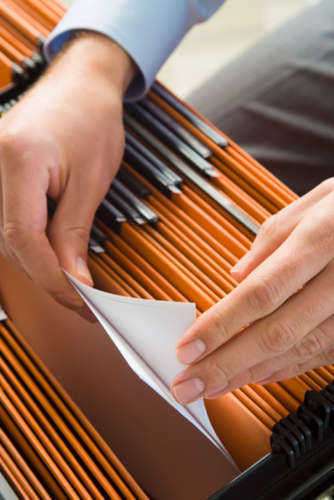
Prior to the use of computers for the collection and organization of court records, court records were kept in paper files. In the event that one of these files was needed, the court clerk would need to sift through the files until he/she located the required court record. There are a number of online databases that an individual can use to locate court records. He/she may be required to pay a small fee if he/she is using an online database to access these records.
Not all court records are public. For instance, an individual will not be permitted to view personal information about an individual who is involved in a court proceeding. Details such as an individual's address, telephone number, financial information, and medical information are kept confidential.
However, an individual will be able to access details about a case, such as the associated docket, the complaint, and the sentencing. If an individual is not sure how to proceed with his/her court record search, some basic research may be helpful, or he/she can contact the court clerk and his/her local municipal court.