Guide to Finding a Court Record
📅 2026 Update: Changes in Accessing Court Records
Since the original article was published, there have been updates regarding how to access court records and associated fees. Key changes include maintenance schedules for the PACER system and updated fees for accessing federal court records. The earlier article continues further down the page.
🛠️ PACER Maintenance Updates
The Public Access to Court Electronic Records (PACER) system underwent maintenance on October 11, 2026. During this time, from 6:55 a.m. to 7:00 p.m. ET, parts of the site were temporarily degraded.
Users may have experienced difficulties accessing certain records during this maintenance window.
💰 Current Fees for Accessing Records
Accessing federal court records through PACER now incurs a fee of $0.10 per page, with a maximum charge of $3.00 per document. Users are billed quarterly, which helps manage costs for those who access records less frequently. Fees are waived for users who accrue less than $30 in a quarter.
🗂️ Accessing Court Records at Courthouses
Individuals can access court records at public computer terminals available in the lobbies of divisional offices in Kansas City, Topeka, and Wichita. Case information can be researched by case number, party name, or filing date range. Docket information is available for civil cases filed after 1991, with document images available for civil cases after March 2003.
📜 Eligibility for Accessing Records
Federal court records that are less than 15 years old are generally not held by the National Archives. Instead, these records are in the possession of individual courts. To obtain access, researchers must contact the appropriate federal court directly.
📌 Key Points Summary
- PACER had maintenance on October 11, 2026, affecting access.
- Current fees are $0.10 per page, with a cap of $3.00 per document.
- Public terminals are available in Kansas City, Topeka, and Wichita.
- Records under 15 years old are not with the National Archives.
- PACER fees are waived for users under $30 in a quarter.
💡 Tips for Accessing Court Records
Review the details of your situation with your attorney to ensure you have the right information for your specific needs.
🔍 Check PACER Fees
Before accessing records through PACER, be aware of the fees associated with your requests. Understanding the billing structure can help you manage costs effectively.
🖥️ Use Public Terminals
If possible, visit the public computer terminals at courthouses in Kansas City, Topeka, and Wichita. This can save you money on PACER fees while allowing you to access necessary documents.
📅 Monitor Maintenance Schedules
Stay informed about scheduled maintenance for PACER. Knowing when the system is down can help you plan your access to court records better.
📞 Contact the PACER Service Center
If you encounter issues with your PACER account or accessing records, reach out to the PACER Service Center for assistance. They can help resolve account management and technical issues.
🔑 Verify Eligibility for Records
Before attempting to access court records, check if the documents you need are under 15 years old. If they are, you will need to contact the appropriate federal court for access.
🏆 Services for Accessing Court Records Ranked by User Reviews (2026)
This section lists services that help with accessing court records and related legal needs. Ratings are based on Trustpilot data as of October 2026, and scores can change over time. Star ratings are just one measure; unhappy customers often leave more reviews.
🥇 1. LegalShield
LegalShield has been rated 4.4. The service is known for offering legal subscription services and access to a network of attorneys, making it easier to get legal help. However, some users report difficulties in reaching assigned attorneys and occasional slow callback times.
🥈 2. Rocket Lawyer
Rocket Lawyer holds a score of 4.5. This service is recognized for its online legal document creation and affordable legal services. Users appreciate the user-friendly interface, but some find the subscription model less suitable for those who need services infrequently, along with occasional issues with customer support responsiveness.
🥉 3. RecordsFinder.com
RecordsFinder.com averages 4.5. It is known for providing access to over 2 billion public records and offers comprehensive background checks. Some users have reported issues with data accuracy and privacy concerns, which need to be considered when using the service.
4️⃣ LegalZoom
LegalZoom has a score of 4.6. This service is well-known for online legal document preparation and business formation services. Though many users find it helpful, some report delays in processing times and occasional customer service issues.
🆓 Free Government Assistance
The PACER Service Center offers free assistance for users, including help with account management and technical issues. Additionally, the National Archives provides resources and guidance for accessing federal court records, which can be valuable for those seeking information without incurring costs.
🔎 What to Compare When Choosing a Service
- 📄 User Ratings and reviews to gauge service quality.
- 💰 Fees and costs involved for accessing records.
- 🛠️ Services Offered, such as document preparation or access to records.
- 🔍 Customer Support responsiveness and availability.
- 📚 Resources Available, like guides or FAQs.
❓ Frequently Asked Questions
❓ How can I access federal court records?
You can access federal court records through the PACER system, which requires you to register for a free account. Fees apply based on the number of pages you access.
🏢 Where can I find public terminals for court records?
Public computer terminals are available in the lobbies of divisional offices in Kansas City, Topeka, and Wichita. These terminals allow you to research case information at no cost.
🕒 How often are PACER fees billed?
PACER fees are billed quarterly. Users who incur less than $30 in fees during a quarter will have those fees waived.
📞 What should I do if I have technical issues with PACER?
If you encounter technical issues or need assistance with your PACER account, you can contact the PACER Service Center for help.
📚 Are court proceedings open to the public?
Most federal court proceedings are open to the public on a first-come, first-served basis. However, access may be limited in cases with significant public interest or security concerns.
📅 How can I check for PACER maintenance updates?
It’s important to monitor PACER announcements for scheduled maintenance. You can visit their website or subscribe to alerts for the latest updates.
⚖️ Recent Court Cases
Recent court rulings might impact how court records are accessed and understood. The following cases can provide insights into ongoing legal trends and practices.
- Court Rules on Housing Dispute in Bronx County CaseCivil Court Of The City Of New York, Bronx County · April 8, 2026
- Court upholds housing code violations against landlord PayanoCivil Court Of The City Of New York, Kings County · April 3, 2026
- Court rules on landlord-tenant dispute over unpaid rentCivil Court Of The City Of New York, Bronx County · March 31, 2026
- Court Dismisses Eviction Case Against Convenience StoreCivil Court Of The City Of New York, New York County · March 30, 2026
For more recent rulings, feel free to browse more rulings on the news page.
End of October 2026 Update
All courts are required to keep records regarding court proceedings that occur within their courthouses. Every court maintains separate court records. As a result, locating a desired court record can be slightly challenging. Federal court records, State court records, and county court records are each maintained separately.
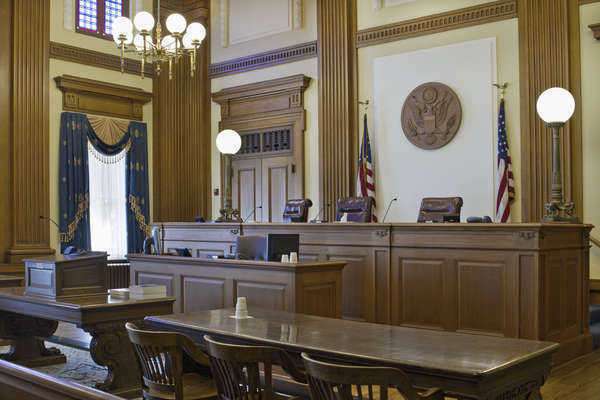
Today, advances in technology and the presence of computer-based electronic databases has made maintaining and locating court records much easier for the Government and the public. Now, an individual is able to search through court records from the comfort of his/her home by clicking a few buttons.
Prior to the use of computers for the collection and organization of court records, court records were kept in paper files. In the event that one of these files was needed, the court clerk would need to sift through the files until he/she located the required court record. There are a number of online databases that an individual can use to locate court records. He/she may be required to pay a small fee if he/she is using an online database to access these records.
Not all court records are public. For instance, an individual will not be permitted to view personal information about an individual who is involved in a court proceeding. Details such as an individual's address, telephone number, financial information, and medical information are kept confidential.
However, an individual will be able to access details about a case, such as the associated docket, the complaint, and the sentencing. If an individual is not sure how to proceed with his/her court record search, some basic research may be helpful, or he/she can contact the court clerk and his/her local municipal court.