Public Access to Court Info
📅 2026 Update: Changes in Public Access to Court Information
Since the original article was published, there have been notable updates regarding public access to court information. These changes affect how individuals can access court records and the costs associated with such access. The original article continues further down the page, providing foundational information on court types, procedures, and terminology.
🛠️ PACER System Maintenance
The Public Access to Court Electronic Records (PACER) system underwent maintenance on October 11, 2026. During this time, users experienced temporary degradation of some site portions. Regular maintenance may impact access to court records, so users should check for updates before attempting to access information.
💵 Current Access Fees
Accessing federal court records through PACER now incurs a fee of $0.10 per page, with a maximum charge of $3.00 per document. Users are billed quarterly and can have fees waived if they accrue less than $30 in a quarter. This structure is essential for users to understand to avoid unexpected charges.
🏢 Accessing Court Records in Person
Individuals can visit federal courthouses for access to court records. Public computer terminals are available in Kansas City, Topeka, and Wichita. Users can research case information by case number, party name, or filing date range.
Docket information is accessible for civil cases filed after 1991 and criminal cases filed after 1994.
📞 Support Options
For assistance, the PACER Service Center offers help with account management and technical issues. Additionally, the National Archives provides resources for accessing federal court records, ensuring users have guidance when navigating the system.
📌 Key Points Summary
- 🛠️ PACER systems may have temporary maintenance affecting access.
- 💵 Access fees are $0.10 per page, up to $3.00 per document.
- 🏢 Public terminals are available in specific courthouses for in-person access.
- 📞 Support is provided by the PACER Service Center and National Archives.
💡 Tips for Accessing Court Information
It's important to review the specifics of your situation with your attorney.
📚 Registering for a PACER Account
To access federal court records online, individuals must first register for a PACER account. This registration is free, allowing users to begin their research without upfront costs.
🕒 Check Courthouse Hours
When planning a visit to a courthouse, be aware that public access is available Monday through Friday, 9:00 AM to 4:30 PM. The courts are closed on national holidays, so plan visits accordingly.
🔍 Researching Case Information
Users can search for case information by specific criteria such as case number or party name. It is helpful to have this information ready to streamline the research process.
📄 Understanding Document Availability
Document images in PDF format are available for civil cases filed after March 2003. Knowing the filing dates can help users determine the types of documents accessible through PACER.
📞 Utilizing Support Resources
If you encounter issues using PACER, the PACER Service Center offers support. They can assist with questions about account management and technical problems.
🏆 Top Services for Court Information, Ranked by User Reviews (2026)
This section ranks services that help users access court information and legal documents. These services are tied closely to public access to court records. The Trustpilot data used for this ranking was checked in October 2026, and scores may change over time.
Star ratings reflect user satisfaction, but it’s important to remember that unhappy customers often leave more reviews.
🥇 1. Rocket Lawyer
Rocket Lawyer holds a Trustpilot score of 4.5. It is known for online legal document creation and affordable legal services, which can be beneficial for those needing court documents. However, some users have reported that the subscription model may not be suitable for infrequent users, and there can be occasional issues with customer support responsiveness.
🥈 2. LegalZoom
LegalZoom has been rated 4.6 on Trustpilot. This service is recognized for online legal document preparation and business formation services. It provides a useful resource for individuals needing court-related documents.
Nonetheless, some users have pointed out delays in processing times and occasional customer service issues.
🥉 3. RecordsFinder.com
RecordsFinder.com averages a Trustpilot score of 4.5. It is known for accessing over 2 billion public records and offering comprehensive background checks. This can aid users in obtaining various court records.
However, some reviewers have raised concerns about data accuracy and privacy issues.
4️⃣ LegalShield
LegalShield holds a Trustpilot score of 4.4. This service offers legal subscription services and access to a network of attorneys. It can be a helpful resource for ongoing legal needs, including court information.
Some users, however, have reported difficulties in reaching assigned attorneys and experienced slow callback times.
🆓 Free Government Resources
The PACER Service Center and the National Archives provide free assistance and resources for accessing federal court records. These options can be particularly useful for individuals seeking information without incurring fees.
🔎 Considerations When Choosing Services
- 📄 Document availability: Check which documents are accessible through the service.
- 💰 Cost structure: Understand fees and billing practices.
- 🕒 Processing times: Look for any reported delays in service.
- 🔍 Customer support: Read reviews about the quality of support offered.
❓ Frequently Asked Questions
❓ What should I do if I can't access court records on PACER?
If you cannot access court records on PACER, check for scheduled maintenance updates or technical issues. You can also contact the PACER Service Center for assistance.
📄 How can I obtain records older than 15 years?
Records older than 15 years may be held by the National Archives. You will need to contact them directly to request access to these older records.
⚖️ Are all court proceedings open to the public?
Most federal court proceedings are open to the public on a first-come, first-served basis. However, access may be limited in certain cases due to public interest or security concerns.
📆 When can I visit the courthouse to access records?
You can visit the courthouse during public hours, which are Monday to Friday from 9:00 AM to 4:30 PM. Be aware that courthouses are closed on national holidays.
🔍 How do I research case information if I visit a courthouse?
When visiting a courthouse, you can use public computer terminals to research case information. You can search by case number, party name, or filing date range.
📞 What support options are available for PACER users?
PACER users can contact the PACER Service Center for support with account management or technical issues. Additionally, the National Archives provides resources and guidance for accessing court records.
⚖️ Recent Cases Related to Public Access to Court Information
Several recent court rulings highlight the ongoing importance of public access to court information. These rulings can affect how individuals access records and understand court procedures.
- Court denies petitioner's request in Kaufman estate disputeAppellate Division of the Supreme Court of the State of New York · May 14, 2026
- Court upholds denial of discovery sanctions in medical caseAppellate Division of the Supreme Court of the State of New York · May 14, 2026
- New York court affirms dismissal of family offense petitionAppellate Division of the Supreme Court of the State of New York · May 12, 2026
- New York court upholds order of protection for father, childrenAppellate Division of the Supreme Court of the State of New York · May 12, 2026
You can browse more rulings on the news page for the latest updates on court cases.
End of October 2026 Update
When attempting to conduct research on prior cases or judicial actions, it is important to know what public access to court info is available. The public is generally permitted to see almost all decisions made in a court of law. However, there may be some types of lawsuits or cases handled by a court in which the public is not entitled to view the final conclusion.
The following are examples of court information the public is entitled to review:
1. Any court decisions, in which a case is resolved through a jury verdict or final decision by a judge, can be viewed by the public. A court may require a reasonable fee, however copies must be made available to the public.
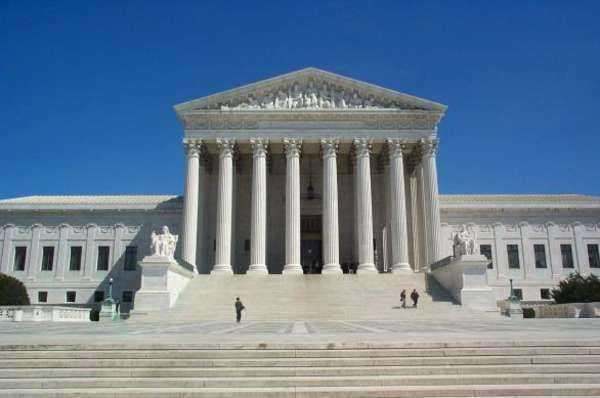
2. Most courts must provide access to pleadings and other legal documents filed by private individuals in a court of law. While some sensitive materials, such as top secret government documents or victim information in sexual crime cases may be blocked, the public is generally allowed access to this court info.
While the above are ways in which the public can access court info, below are some examples of court info that cannot be obtained by the public:
1. Any private settlement, in which the court did not make the final decision, is not publicly accessible by the public. These settlements are instead private agreements between the two parties and are not considered actions of the court.
2. Certain criminal convictions, which are done under seal, block public access to the court info. Generally, these are minor criminal records that have passed a certain amount of time. These criminal records are blocked from public view.