Fire Investigation
📅 2026 Update: Recent Changes in Fire Investigation Court Procedures
Since the original article on fire investigation was written, several important changes have occurred in the U.S. court system. These updates involve amendments to civil procedure rules, new fees, and modernization efforts in case management. The earlier article continues further down the page for more foundational details.
⚖️ Federal Rules of Civil Procedure Amendments
On December 1, 2025, amendments to the Federal Rules of Civil Procedure took effect. These changes impact how cases are managed in federal courts. New Rule 16.1 emphasizes case management, likely affecting fire investigation cases moving forward.
💰 Current Fees and Costs
As of May 28, 2026, the filing fee for a civil case has risen to $405.00, which includes a $55.00 administrative fee. Filing a notice of appeal costs $605.00. These fees can significantly affect individuals or companies involved in fire investigation litigation.
🗂️ Judicial Case Management Modernization
In June 2026, funding was approved to modernize case management and public access systems. This aims to improve how cases are processed and how records are accessed. A temporary fee increase for electronic access to court records will begin on January 1, 2027.
📄 Local Rules Update
Local rules for specific jurisdictions, such as the Southern and Eastern Districts of New York, are effective as of January 2, 2026. These local rules may provide additional guidance relevant to fire investigation cases within those courts.
📌 Key Points Summary
- ⚖️ Federal Rules of Civil Procedure have been amended as of December 1, 2025.
- 💰 Civil case filing fee is now $405.00.
- 🗂️ Modernization of case management systems is underway.
- 📄 Local rules have been updated as of January 2, 2026.
- 📜 Temporary fee increases for electronic access to records start January 1, 2027.
💡 Tips for Navigating Fire Investigation Cases
Review the specifics of your situation with an attorney. Understanding the unique aspects of your case is crucial.
📅 Keep Track of Deadlines
Adhering to deadlines is critical in fire investigation cases. Federal Rules of Civil Procedure amendments are now in effect, so be aware of any new timelines that may apply.
📝 Understand the Costs
Be prepared for various fees associated with filing and retrieving records. The civil case filing fee is currently $405.00, and there are specific fees for retrieving records.
📂 Utilize Electronic Access
The modernization of public access systems is on the way. While a temporary fee increase for electronic access starts in January 2027, it may offer a more efficient way to obtain necessary documents.
🔍 Review Local Rules
Local rules can vary by jurisdiction. It’s essential to familiarize yourself with the rules that apply to your specific case, especially if it is in a specialized court.
☑️ Explore Fee Exemptions
Certain entities may be exempt from court fees. Understanding these exemptions can help you navigate potential costs effectively.
🏆 Fire Investigation Services Ranked by User Reviews (2026)
This section provides an overview of services relevant to fire investigation cases, focusing on legal assistance and document preparation. The rankings follow Trustpilot data as of October 2026. Ratings can change over time, and while star ratings offer insight, they may not capture the full customer experience.
🥇 1. LegalZoom
LegalZoom has been rated 4.6. It is known for business formation services, estate planning, and intellectual property registration. While it offers a wide range of legal services that could be beneficial in fire investigation cases, some users have reported delays and issues with customer service.
🥈 2. LegalShield
LegalShield holds a score of 4.4. This service provides legal subscription services and access to a network of law firms. While it can help individuals navigate legal processes related to fire investigations, some customers have shared mixed experiences regarding customer service and response times.
🥉 3. Rocket Lawyer
Rocket Lawyer averages 4.5. It is recognized for its online legal document creation and affordable legal services. This can be useful for those involved in fire investigation cases who need to draft legal documents.
However, some users prefer single-use services over subscription models.
4️⃣ TotalLegal
TotalLegal has a rating of 4.6. It is known for its intuitive website layout and comprehensive guides for legal documents. Users appreciate the resources available for understanding legal processes related to fire investigations, though occasional delays in document delivery have been noted.
5️⃣ Atticus
Atticus stands out with a score of 4.9. It is recognized for assisting with disability, workers' compensation, and VA benefit cases. This service may offer helpful insights into legal matters surrounding fire investigations, although some users find the process time-consuming.
🆓 Free Government or Nonprofit Help
PACER (Public Access to Court Electronic Records) offers electronic access to court records. Fees may apply for usage, but it serves as a valuable resource. Additionally, the Legal Information Institute (LII) provides free access to legal information, helping individuals understand court costs and procedures.
🔎 Factors to Compare When Choosing a Service
- 📊 Trustpilot rating and number of reviews
- 📚 Range of legal services offered
- 🕒 Customer service and response times
- 💵 Transparency in fees and costs
- 📄 Accessibility of resources and documents
❓ Frequently Asked Questions
🔍 What should I know about fire investigation laws?
Fire investigation laws can vary by state and local jurisdiction. Understanding these laws can help you navigate the legal landscape effectively.
🏛️ How do I file a civil case related to fire investigation?
To file a civil case, you need to complete the necessary paperwork and submit it along with the filing fee to the appropriate court. The current fee for a civil case is $405.00.
📜 What are the recent changes to filing fees?
As of May 28, 2026, the filing fee for a civil case is $405.00, and fees for notices of appeal and attorney admissions have also changed.
⏳ How long does it take for a case to be processed?
Processing times can vary based on the court's workload and the specific case. The ongoing modernization of case management systems aims to improve these times.
📃 Are there any resources for understanding court procedures?
Yes, the Legal Information Institute (LII) offers free access to legal information, including court costs and procedures, which can help you understand the process better.
🚪 What if I can't afford the filing fees?
Certain exemptions apply for federal agencies and individuals under specific acts. It's essential to check if you qualify for a fee waiver or exemption.
⚖️ Recent Court Rulings on Fire Investigation Cases
Recent court rulings have highlighted significant decisions impacting fire investigation cases. These rulings help clarify legal standards and may affect how future cases are handled.
- Court rules on inheritance rights in Matter of Mack caseSurrogate's Court, Erie County · April 3, 2026
- Court dismisses Medicaid claim against estate of Marie RidgeSurrogate's Court, Erie County · March 31, 2026
- Court recommends dismissal of lawsuit against Brewery Credit UnionDistrict Court, E.D. Wisconsin · October 16, 2026
- Court rules on prenuptial agreement in Mahar estate caseNew York Surrogate's Court · February 26, 2026
For more recent rulings, feel free to browse more rulings on the news page.
End of October 2026 Update
Are there Different Methods Used During a Fire Investigation
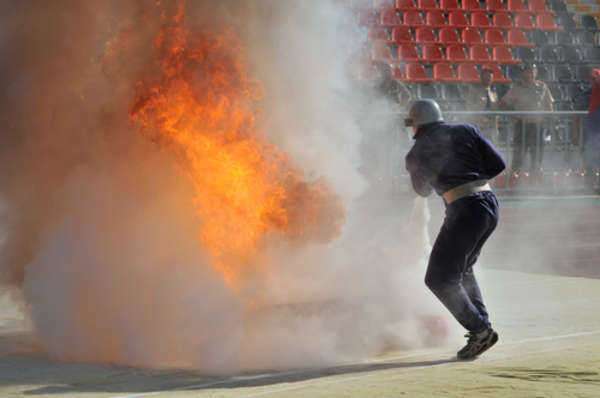
There are different methods depending on the type of fire (such as a wildfire or house fire), and fire marshals are trained to investigate these different types of fires. There are also different requirements for a suspected arson or an accidental fire.
This article will outline steps used by the National Wildfire Coordinating Group in a fire investigation of a wildfire.
Step 1 of Fire Investigation
While you’re en route to the fire, you should make not of the color, size, direction, and any changes in the smoke column. You should try and take license plate numbers and descriptions of vehicles you pass along the way as well. Take note of any gates (lock or unlocked) to the area of the fire, and make sure no commercial activities like construction, logging, or blasting caused the fire.
Step 2 of Fire Investigation
While arriving to the area, make note of any campers or evidence of people gathering in the area such as piles of trash, fire circles, or soil disturbance. Then, take the following steps:
· protect the area of origin or several areas
· secure the area with tape and keep people out of the area
· check if there was a lightning strike
· look for human causes
· if the fire is caused by human, contact a qualified investigator
· make weather readings including temperature, wind direction, and humidity
· take note of vehicles and license plate numbers that pass by the area of origin
· interview people at the area of origin
The investigator should obtain information from people at the area of origin, but all of the information obtained must be voluntary. The investigator cannot coerce anyone into telling them information. The investigator should take down their name, address, telephone number, and any other information they provided.
Step 3 of the Fire Investigation
The final step of the fire investigation is to find the exact origin of the wildfire. If the fire spread fast, look for boards or flat objects that were in the area of fire but only half charred. These object man show an angle that points back to the point of origin.
The following principles are used to identify an area of origin as well:
· look for areas that were damaged but less damaged that other areas because the fire was smaller and burned at a lower temperature in this area
· look along edges of a trail or a road
· fires on a flat piece of land will usually burn in a circular pattern so move toward the center of the burn pattern in such a case
· fires burning with the wind or uphill usually burn in a “V” shape, and the origin of the fire will usually lie around the point of the “V”
· look for signs of an advancing fire such as white ash, damage to the crowns of foliage, and a lack of grass stems
· the “heel” of the fire will show less char, smaller amounts of white ash, an burn angle that is parallel with a slope, and grass stems that are unburned
Source: https://www.nwcg.gov/pms/pubs/410-1/chapter14.pdf