What You Need to Know About A Court Room
📅 2026 Update: Changes in Court Procedures and Fees
Since the original article was published, there have been important updates regarding court fees and procedures. These changes affect how individuals interact with the court system, especially in federal courts. This update will outline the key changes, and the original article continues further down the page for more detailed information.
💰 Federal Court Fee Increases
As of December 1, 2023, the filing fee for new civil cases in federal district courts has increased to $405.00. This new fee includes a $350.00 filing fee plus a $55.00 administrative fee. This is an important change for anyone planning to file a civil case, as it raises the costs associated with initiating court proceedings.
📜 Filing Procedures for Civil Complaints
Individuals who represent themselves, known as pro se, must file a civil complaint with the court. The Clerk’s Office provides approved forms for this process. Understanding how to fill out and submit these forms is essential for navigating the legal system effectively.
🕒 Processing Times for Complaints
After filing a complaint, the court reviews it promptly. However, no specific processing times are guaranteed. Being aware of this can help individuals manage their expectations and plan their next steps.
📑 Accessing Court Records
For those needing to access court records, there are some free options available. Individuals can view up to $30 worth of court records per quarter without any charge. This allows for some public access to important information while keeping costs down.
📌 Key Points to Remember
- Federal court filing fee is now $405.00.
- Pro se individuals must use approved forms for filing.
- No guaranteed processing times after complaint submission.
- Free access to a limited amount of court records is available.
💡 Tips for Navigating Court Procedures
It's essential to go over the details of your situation with your attorney. This ensures you understand your specific legal needs and options.
📋 Understand Filing Fees
Be aware of the current filing fees before submitting your complaint. The updated fee for a civil case is $405.00, which can impact your decision to file.
🕑 Consider In Forma Pauperis
If you cannot afford the filing fees, you may apply for In Forma Pauperis (IFP) status. This application allows the court to waive your fees if you demonstrate financial need.
📬 Prepare Summons Correctly
Ensure that you prepare a summons for each defendant involved in your case. Proper service can be done via certified mail or through the U.S. Marshal, which is crucial for the legal process.
📂 Use Available Resources
Take advantage of the public access terminals in courthouses. These allow you to view case information and documents for free, which can be beneficial for research and preparation.
⏳ File Promptly
Promptly filing your complaint is important to avoid potential statute of limitations issues. While there is no specific deadline, timely action can significantly affect your case.
🏆 Legal Services Ranked by User Reviews (2026)
This section highlights services related to legal document preparation and advice, which are relevant to navigating court procedures. The order reflects Trustpilot ratings checked in October 2026. Keep in mind that scores can change, and ratings are just one perspective, as unhappy customers often leave more reviews.
🥇 1. LawDepot
LawDepot has been rated 4.1. This service is known for online legal document preparation, particularly for estate planning documents. However, users should be aware that its subscription model may lead to unexpected charges.
🥈 2. Rocket Lawyer
Rocket Lawyer holds a score of 4.5. It provides online legal document preparation and legal advice services, which can be helpful for individuals navigating the court system. Its subscription model may also result in extra charges, so users should monitor their accounts.
🥉 3. LegalZoom
LegalZoom averages 4.5. This service specializes in online legal document preparation and business formation services, making it a valuable option for those starting new ventures. Like others, its subscription model can lead to unexpected costs, so caution is advised.
🆓 Free Government and Nonprofit Help
Individuals can explore various free options for legal assistance, such as the PACER fee exemptions for those demonstrating financial need. Accessing up to $30 worth of court records per quarter is also free, helping reduce costs associated with legal matters.
🔎 Points to Compare Legal Services
- ⭐️ Overall rating and number of reviews.
- 💰 Pricing structure, especially any subscription models.
- 📄 Types of services offered, particularly related to court procedures.
- 🛠️ Availability of free resources and support options.
❓ Frequently Asked Questions
❓ What is the current filing fee for federal civil cases?
The filing fee for new civil cases in federal district courts is currently $405.00, which includes a $55.00 administrative fee.
📜 How can I access my court records for free?
You can access up to $30 worth of court records per quarter for free. Charges apply only after exceeding this limit.
⏰ What happens if I miss the filing deadline?
While there is no specific deadline for filing a civil complaint, failing to file promptly can lead to issues with the statute of limitations that may affect your case.
💼 What is pro se representation?
Pro se representation allows individuals to represent themselves in court without an attorney. However, they must follow all applicable rules and procedures.
📝 How do I apply for In Forma Pauperis status?
To apply for In Forma Pauperis (IFP) status, you need to submit an application to the court demonstrating your inability to pay the filing fees.
📬 What methods can I use to serve a summons?
You can serve a summons through certified mail, process service, or by using the U.S. Marshal service to ensure proper delivery to defendants.
⚖️ Recent Cases Impacting Court Procedures
Recent court rulings have highlighted important aspects of civil cases and the procedures involved. Understanding these rulings can help individuals navigate the court system more effectively and stay informed about their rights.
- Hawaii Supreme Court rejects certiorari in trust caseHawaii Supreme Court · May 22, 2026
- Hawaii Supreme Court upholds denial of intervention requestHawaii Supreme Court · May 22, 2026
- Court dismisses tax refund claim based on citizenship disputeUnited States Court of Federal Claims · May 21, 2026
- Delaware court rules on negligence case involving senior careSuperior Court of Delaware · May 26, 2026
Readers can find additional insights by checking more rulings on the news page.
End of October 2026 Update
A courtroom is an enclosed space where a dispute is settled through the observation and enforcement of a legal code. A courtroom is managed and overseen by a judge, who is given the power of sentencing and final say in the majority of legal matters.
In the United States, the judge typically sits behind a large raised desk, referred to as the bench. Behind the judge is an official seal of the appropriate jurisdiction and the flags of the Federal and particular State governments where the courtroom is located. Adjacent to the judge's bench are the witness stands and the desks that hold the court clerk and the court reporter.
A typical courtroom in the United States is divided into two equal parts. The barrier that divides the courtroom is known as the bar. The bar may be imaginary or an actual barrier.
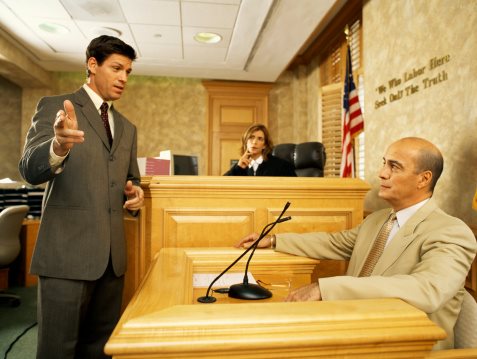
On one side of the bench is a table that sits the plaintiff, the defense team, and the respective counsels for each side. A separate set of seats exists and is known as the jury box (area where the jury sits in court services that apply). The lawyers, apart from the witnesses and parties to the case, are the only individuals allowed to cross the bar. Generally, there is a podium or lectern that separates the two tables where the lawyers will initiate their case and argue their respective points.
The other side of the bar is composed of seating for the general public or spectators of the case. Known as the gallery, this area contains pew-style benches or theater seats. This description is of a general courtroom, however, courts are constructed based on the jurisdiction they're in and the type of legal code they interpret.