Know How to Access Court Reports
📅 2026 Update: Recent Changes in Accessing Court Reports
Since the original article was published, there have been some important updates regarding accessing court reports. These changes include maintenance updates to the PACER system, adjustments in fees, and new tools for obtaining records. The earlier article continues further down this page.
🛠️ PACER Maintenance Updates
The Public Access to Court Electronic Records (PACER) system underwent maintenance on October 11, 2026. During this time, parts of the site were not fully operational from 6:55 a.m. to 7:00 p.m. ET.
Users may have experienced limited access to certain records.
💵 Current PACER Fees
Accessing federal court records through PACER now costs $0.10 per page. The maximum charge per document is $3.00. Users who accrue less than $30 in fees during a quarter will not be billed.
This update is important for anyone looking to manage costs when searching court records.
📜 Accessing Records at Courthouses
Individuals can still access court records in person. Public computer terminals are available at divisional offices in Kansas City, Topeka, and Wichita. Case information is searchable by case number, party name, or filing date.
Docket information is accessible for civil cases filed after 1991 and criminal cases post-1994.
🔍 Eligibility for Records
Federal court records that are less than 15 years old are typically not held by the National Archives. Instead, they remain with individual courts. To access these records, researchers need to contact the appropriate federal court directly.
📌 Key Points Summary
- 🛠️ PACER maintenance can affect access.
- 💵 Current PACER fees are $0.10 per page, max $3.00.
- 📜 Public terminals available in Kansas courthouses.
- 🔍 Records under 15 years are with individual courts.
💡 Tips for Accessing Court Reports
It’s important to discuss your specific situation with your attorney to understand the best options available.
🖥️ Register for a PACER Account
To access federal court records, individuals must register for a PACER account. Registration is free, but users should be aware of the fees associated with accessing documents.
🏢 Visit Courthouses for Free Access
For those who prefer not to use PACER or want to avoid fees, visiting courthouses is an option. Public terminals are available to search for case information free of charge.
🕒 Check Court Hours
When planning to visit a courthouse, keep in mind the hours. Most courthouses are open Monday to Friday, from 9:00 a.m. to 4:30 p.m., and are closed on national holidays.
📞 Utilize PACER Service Center
For any technical issues or account management questions, the PACER Service Center provides assistance. This can help users navigate the system more effectively.
🗂️ Understand Docket Information
Be aware that docket information is available for civil cases filed after 1991 and criminal cases from 1994 onwards. Knowing this can help narrow down searches.
📥 Use National Archives Resources
The National Archives offers resources for accessing federal court records. They provide guidance on how to retrieve documents and understand what is available.
🏆 Top Services for Accessing Court Records Ranked by User Reviews (2026)
There are many online services that help individuals access court records and other legal documents. The following list is based on Trustpilot data as of October 2026. Scores can change, and star ratings are just one way to evaluate services.
Unhappy customers often leave more reviews, which can impact overall scores.
🥇 1. Rocket Lawyer
Rocket Lawyer has been rated 4.5 on Trustpilot. It is known for offering affordable legal services and user-friendly online document creation. However, some users find the subscription model less suitable for those who only need occasional legal help.
🥈 2. LegalZoom
LegalZoom holds a 4.6 rating. It is recognized for its online legal document preparation and business formation services. While it provides a range of options, some customers have reported delays in processing times and issues with customer service responsiveness.
🥉 3. RecordsFinder.com
With a Trustpilot score of 4.5, RecordsFinder.com is known for its access to over 2 billion public records. This includes comprehensive background checks and people search services. Users have noted concerns regarding data accuracy and privacy.
4️⃣ LegalShield
LegalShield has a Trustpilot score of 4.4. It offers legal subscription services that provide access to a network of attorneys. Some users have faced difficulties in reaching their assigned attorneys and reported slow callback times.
🆓 Free Government Assistance for Accessing Court Records
The PACER Service Center provides free support for users, helping with account management and technical issues. Additionally, the National Archives offers resources for accessing federal court records, assisting individuals in retrieving documents and understanding available records.
🔎 Choosing the Right Service
- 📄 Compare service fees for accessing records.
- 🕒 Check the processing times for document retrieval.
- 🤝 Look for user reviews regarding customer service.
- 🔍 Evaluate the accuracy of the records provided.
❓ Frequently Asked Questions
❓ How can I access court records for free?
You can access court records for free by visiting courthouses that have public computer terminals. This allows you to research case information without incurring PACER fees.
🕒 What are the hours for accessing court records at courthouses?
Most courthouses are open for public access Monday to Friday, 9:00 a.m. to 4:30 p.m., and they are closed on national holidays. Always check the local court's calendar for specific hours.
📅 Are there any limitations in accessing federal court records?
Yes, some federal court records may be sealed or restricted, especially in high-interest cases. It's important to be aware of these limitations when attempting to access certain documents.
📞 How do I contact the PACER Service Center?
You can contact the PACER Service Center for assistance with account management or any technical issues. They offer support to help users navigate their services effectively.
🗂️ What types of records can I find using PACER?
Using PACER, you can find federal court records, including civil and criminal case dockets. Docket information is available for civil cases filed after 1991 and criminal cases after 1994.
📜 How do I retrieve documents from the Federal Records Center?
To retrieve a document from the Federal Records Center, you need to pay a retrieval fee of $64. This is necessary for accessing records stored at the center.
⚖️ Recent Court Cases
Several recent court rulings have impacted how individuals access and understand legal documents. These cases illustrate the ongoing developments in court procedures and record accessibility.
- Court rules in favor of Restoration Specialists, LLC in contract caseArmed Services Board of Contract Appeals · April 30, 2026
- California AG rules on local regulations for water systemsCalifornia Attorney General Reports · May 20, 2026
- Court Rules on Congressional Pay Dispute in Davis v. U.S.United States Court of Federal Claims · May 20, 2026
- Hawaii Supreme Court rules on Maui Planning Commission caseHawaii Supreme Court · May 22, 2026
For more recent rulings, feel free to browse more rulings on the news page.
End of October 2026 Update
Court reports or court records are public information that
provides individuals with various rulings and intricacies associated with
specific court cases. Court reports are free resources that can be obtained by
any member of society. Court reports, depending on the State, can be located
either at the courthouse itself or the jurisdiction's town hall. Free court
records can be obtained as a result of numerous laws that label such
information as public.
To find court reports or records you should first contact your local court
systems and the Federal or State system. A typical court report is grouped with
other public information such as, jail rosters, arrest records, and criminal
convictions. All of these examples of public information can be viewed and
accessed by any member of society through contacting Government agencies and
accessing free databases located at your local town hall or courthouse.
Another way to access public court reports is by contacting your
municipal court system. With advancements in computer technology the ability to
e-mail the municipal court system is taken advantage of by many citizens. The
municipal courts are willing to fulfill requests made by citizens for court
reports. Once the court meets the request, they will offer the individual a
database of all court reports associated with civil court judgments, family
court records, and traffic violations in the particular jurisdiction.
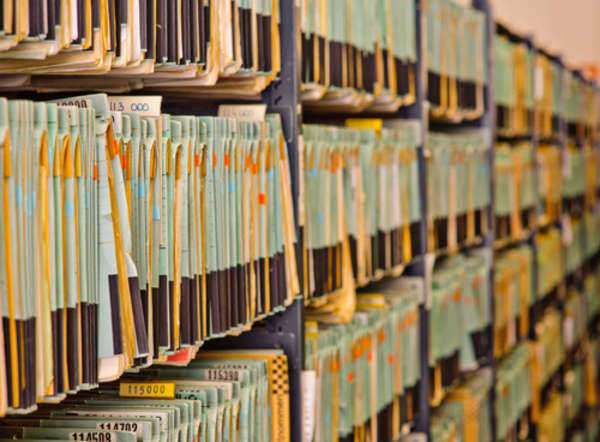
Obtaining court reports can be easily accomplished and without
an exorbitant amount of effort. To streamline this process it is crucial to
know what types of free information your local court system will provide. If
the court in question does not satisfy your requirements you can enlist the
help of a private website that scours databases for free court records.