Easiest Way to Understand Federal Courts
📅 2026 Update: Recent Changes in Federal Courts
Since the original article was written, several important updates have occurred in the federal court system. These changes impact how cases are managed, the costs associated with accessing court records, and the operation of federal courts.
The earlier article continues further down the page, providing foundational information about federal courts and procedures.
🔄 Federal Case Management System Overhaul
In September 2026, the Judicial Conference announced plans to modernize the Case Management/Electronic Case Files (CM/ECF) system. This update aims to improve how cases are tracked and managed. The first component of this overhaul is expected to be released before the end of 2026.
- 📌 Key Benefit: This modernization should lead to faster and more efficient case processing for all parties involved.
💰 Temporary Increase in PACER Fees
Starting January 1, 2027, the fee for accessing Public Access to Court Electronic Records (PACER) will increase from 10 cents to 12 cents per page. This change is intended to fund the modernization of the case management system.
- 💵 Impact on Users: While this increase may seem small, it can add up for individuals needing extensive access to records for their cases.
🏛️ Real Property Authority Initiative
In February 2026, the Judiciary requested authority from Congress to manage properties essential for its mission. This move addresses a substantial backlog of $8.3 billion in critical courthouse repairs.
- 🔧 Importance: Managing these properties directly could enhance the conditions of courthouses, which may contribute to better service and efficiency for court users.
⏳ Federal Case Processing Times
Processing times for federal cases can vary based on case complexity and the specific court. For the most accurate information, individuals should refer to the local rules of the court where their case is filed.
- ⏲️ What to Expect: Understanding processing times is crucial for planning and managing expectations related to case outcomes.
📑 Filing Deadlines
Filing deadlines in federal courts are governed by the Federal Rules of Civil Procedure and local court rules. Adhering to these deadlines is essential to avoid dismissal or other penalties.
- ⏰ Staying on Track: Being aware of deadlines helps ensure that cases are handled properly and efficiently.
📌 Summary of Key Points
- 🔄 Federal Case Management System modernization is underway.
- 💰 PACER fees will rise to 12 cents per page starting January 1, 2027.
- 🏛️ Judiciary seeks authority to manage courthouse properties to address $8.3 billion in repairs.
- ⏳ Processing times vary; check local rules for specifics.
- 📑 Adhere to filing deadlines to avoid penalties.
💡 Tips for Navigating Federal Courts
Review the details of your own situation with your attorney.
📋 Understand Local Court Rules
Each federal court has its own local rules and forms for filing cases. Familiarize yourself with these to ensure proper submission.
📅 Keep Track of Deadlines
Be aware of all filing deadlines set by the Federal Rules of Civil Procedure and local court rules. Missing a deadline can lead to serious consequences for your case.
💵 Budget for PACER Fees
As of January 1, 2027, PACER fees will be 12 cents per page. Plan for these costs when accessing court records, especially if you need extensive documentation.
🔄 Follow Case Processing Updates
Processing times can change based on case complexity. Regularly check for updates from the court to stay informed about your case status.
🏛️ Stay Informed on Courthouse Conditions
The Judiciary's request to manage courthouse properties may lead to improvements in facilities. Stay updated on changes that could impact your experiences in court.
📞 Seek Free Legal Aid Resources
Consider reaching out to nonprofits offering legal assistance. Many organizations provide services to help individuals navigate federal court processes.
🏆 Free Options Ranked by User Reviews (2026)
No national paid service in this area met the review threshold, so this section lists free government and nonprofit resources named in FACTS.
🥇 1. Legal Services Corporation (LSC)
The Legal Services Corporation offers resources for finding local legal aid offices. They focus on helping low-income individuals access legal assistance for various issues, including federal cases.
- 🏢 Who It Helps: LSC primarily assists those who cannot afford legal fees, ensuring that everyone has access to the justice system.
🥈 2. Nonprofit Legal Aid Organizations
Various nonprofit organizations provide free or low-cost legal assistance. These organizations often focus on specific issues, such as housing or immigration.
- 🤝 Resources Offered: They can help individuals understand their rights and navigate the complexities of federal court processes.
🥉 3. Government Court Resources
Many federal courts have resources available to the public, including guides on how to file cases and access records. These resources can be valuable for those unfamiliar with the court system.
- 📖 Helpful Guides: Courts provide information on procedures, forms, and deadlines, making it easier for individuals to engage with the legal system.
4️⃣ Local Bar Associations
Local bar associations often have programs that connect individuals with pro bono attorneys. These programs can help people find legal assistance for their cases.
- ⚖️ Community Support: Bar associations aim to ensure access to legal representation for those in need, often offering free consultations.
🔎 What to Check Before Paying for Help
- 🔍 Verify Credentials: Ensure that the provider is legitimate and has good reviews.
- 📄 Understand Fees: Know what services are included and how much you’ll pay.
- ❓ Ask About Experience: Inquire about their experience with cases similar to yours.
- 🏷️ Look for Nonprofit Options: Many nonprofits offer free or low-cost services.
- 📝 Read the Fine Print: Always read contracts or agreements carefully before signing.
❓ Frequently Asked Questions
❓ What are the new PACER fees?
Starting January 1, 2027, PACER fees will increase from 10 cents to 12 cents per page. This change supports the modernization of the case management system.
🔍 How can I find local legal aid offices?
The Legal Services Corporation provides resources to help locate local legal aid offices. These offices often assist low-income individuals with various legal issues.
📅 What should I do if I miss a filing deadline?
If a filing deadline is missed, it’s essential to consult the local rules of the court immediately. There may be options for motions or extensions, depending on the situation.
🏛️ What is the Real Property Authority Initiative?
The Real Property Authority Initiative allows the Judiciary to directly manage properties essential to its mission. This aims to address a significant backlog in courthouse repairs.
⏳ How do processing times vary in federal courts?
Processing times in federal courts can differ based on case complexity and specific court procedures. Always refer to the local rules for the most accurate information.
📝 What are some tips for filing in federal court?
Familiarize yourself with the local court rules, keep track of deadlines, and budget for PACER fees. These steps help ensure a smoother process when filing your case.
⚖️ Recent Court Cases Impacting Federal Procedures
Recent rulings in federal courts have highlighted important aspects of case management and access to legal resources. These developments help shape the experience of individuals navigating the federal court system.
- Court dismisses case against U.S. and imposes filing restrictionsUnited States Court of Federal Claims · June 2, 2026
- Court affirms order for discovery in Stapp divorce caseSuperior Court of Pennsylvania · June 4, 2026
- Hawaii Supreme Court Rules on Unemployment Benefits CaseHawaii Supreme Court · June 4, 2026
- Court Modifies Disciplinary Action Against Two AttorneysUnited States Court of Federal Claims · June 2, 2026
Explore more recent rulings in the news section on the website.
End of October 2026 Update
The Federal Court system is a judicial network within the United States, which is comprised of several different levels of courts. Federal Courts are established and overseen by the United States Federal Government. They are responsible for addressing all cases that involve Federal laws and regulation, and the Constitution of the United States.
There are also courts that operate at the State level which enforce State laws and issue convictions and sentences to individuals who violate these laws. However, State courts operate separately from Federal courts and are responsible for addressing different types of offenses. When an individual violates a Federal law or is responsible for a crime that crosses State borders, he/she will be tried within the United States Federal Court system.
The Federal Court system is composed of three distinct levels. The lowest level that exists within this judicial system is the District Court. U.S. District Courts are situated in a variety of different locations throughout the country. These courts function as trial courts. When a case initially goes to trial, the proceedings occur in a District Court. Here, a case will be heard and a jury will provide a ruling on the case.
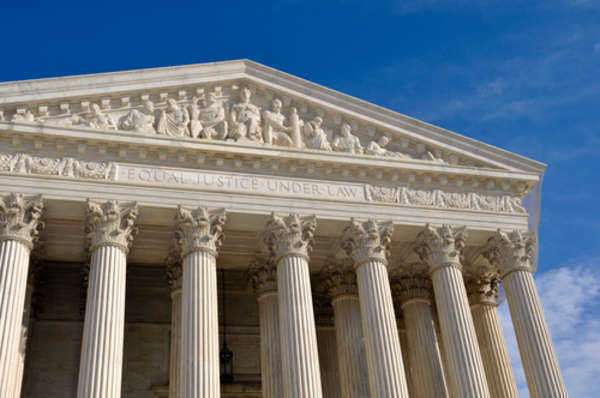
If a defendant is found guilty of a crime, he/she will be given a specific sentence. If he/she wishes to debate the decision, he/she can request that the Court of Appeals review the decision. The Court of Appeals composes the middle level of the Federal Court network. Three judges from this Court will form a panel and review the decision of the District Court. The Supreme Court is the highest of the Federal Courts. It is comprised of the existing Chief Justice and eight different Associate Justices.