A Quick Overview of Federal Court
📅 2026 Update: Changes in Federal Court Procedures
Since the original article was published, there have been several significant changes in federal court procedures and systems. These updates affect how cases are managed and the costs involved in accessing court records. The earlier article continues further down this page, providing foundational information about federal courts.
🛠️ Federal Case Management System Overhaul
In September 2026, the Judicial Conference announced plans to modernize the Case Management/Electronic Case Files (CM/ECF) system. This overhaul aims to improve how federal courts handle case files. The first component of this system is set to launch before the end of 2026.
🏢 Real Property Authority Initiative
In February 2026, the Judiciary sought permission from Congress to manage properties critical to its functions. This initiative addresses an $8.3 billion backlog in courthouse repairs. This can impact how courts operate and the quality of facilities available for hearings.
💰 Temporary Increase in PACER Fees
Starting January 1, 2027, the fee for accessing Public Access to Court Electronic Records (PACER) will rise from 10 cents to 12 cents per page. This increase aims to support the modernization of the case management system.
⏳ Federal Case Processing Times
Processing times for federal cases can differ significantly based on complexity and the court involved. It's important to check local court rules for the most accurate processing time information.
📜 Judicial Compensation Adjustments
As of 2026, the annual salaries for federal judges have been updated. District Judges earn $249,900, Circuit Judges make $264,900, Associate Justices receive $306,600, and the Chief Justice earns $320,700. These figures reflect the ongoing adjustments in judicial compensation.
📌 Key Points to Remember
- 🛠️ Federal courts are modernizing their case management systems.
- 🏢 The Judiciary seeks direct property management to address repair backlogs.
- 💰 PACER fees will increase in January 2027.
- ⏳ Case processing times vary by court complexity.
- 📜 Federal judges' salaries have been adjusted as of 2026.
💡 Tips for Navigating Federal Court
Review the details of your situation with your attorney.
📝 Know Your Court's Local Rules
Different federal courts have specific rules and forms for filing cases. Always consult the local rules for your district or circuit to ensure compliance.
⏰ Pay Attention to Filing Deadlines
Filing deadlines are governed by the Federal Rules of Civil Procedure and local court rules. Missing these deadlines can lead to dismissals or other penalties.
🔍 Understand Federal Court Jurisdiction
Federal courts handle cases involving federal laws, disputes between states, and cases involving the federal government. Knowing if your case falls under federal jurisdiction can save time and resources.
📚 Explore Legal Aid Services
Nonprofit organizations provide free or low-cost legal assistance. The Legal Services Corporation (LSC) is a resource to find local legal aid offices that can help with federal cases.
💻 Monitor Cybersecurity Updates
Stay informed about any cybersecurity incidents that may affect court operations, such as disruptions in bankruptcy notices. This knowledge can help you prepare for any potential delays.
📆 Keep Track of Changes in Judicial Compensation
Be aware that judicial salaries may impact the availability of judges and the overall functioning of the court system.
🏆 Free Options Ranked by User Reviews (2026)
No national paid service in this area met the review threshold, so this section lists free government and nonprofit resources available for those navigating federal court procedures.
🥇 1. Legal Services Corporation (LSC)
The Legal Services Corporation is a nonprofit organization that provides funding for legal aid programs across the U.S. It helps low-income individuals find legal assistance for federal cases and other legal needs. LSC focuses on ensuring access to justice for those who cannot afford legal representation.
🥈 2. Federal Court Websites
Each federal court has its own website that offers resources, including local rules, forms, and filing procedures. These sites are essential for anyone needing to navigate the federal court system. They also provide contact information for court clerks who can answer specific questions.
🥉 3. CourtHelp.org
CourtHelp.org is a resource designed to guide individuals through the court system. It offers information on various legal topics, including federal court procedures. The site is user-friendly and aims to assist those who may not have legal representation.
4️⃣ State Bar Associations
State bar associations often have resources for individuals seeking legal help. Many offer referral services that can connect you with free or low-cost legal aid in your area. They may also provide educational materials about federal court procedures.
5️⃣ Community Legal Clinics
Local community legal clinics often provide free legal assistance and advice. These clinics can help individuals understand their rights and options when dealing with federal courts. They serve low-income communities and focus on various legal issues.
🔎 What to Check Before Paying for Help
- 💸 Confirm the service's legitimacy and reviews.
- 📄 Verify the organization’s nonprofit status.
- 🕒 Ensure they specialize in federal court procedures.
- 🗣️ Ask about any potential fees or hidden costs.
- 📞 Contact them for a consultation before committing.
❓ Frequently Asked Questions
❓ What is the CM/ECF system?
The CM/ECF system is the Case Management/Electronic Case Files system used by federal courts to manage case files electronically. A modernization effort is currently underway to improve its functionality.
🔒 What should I know about court cybersecurity?
In October 2026, a cybersecurity incident affected the Bankruptcy Noticing Center, which produces bankruptcy notices for federal courts. Staying informed about such incidents is vital for understanding court operations.
📅 How do I find filing deadlines?
Filing deadlines are governed by the Federal Rules of Civil Procedure and local court rules. Always check these rules for the specific court where your case is filed.
🏛️ What types of cases do federal courts handle?
Federal courts handle cases involving federal laws, disputes between states, and cases involving the federal government. They have jurisdiction over a range of issues that affect national interests.
📞 How can I contact my local federal court?
You can find contact information for your local federal court on its official website. Each court provides details on how to reach clerks who can assist with specific inquiries.
📝 Where can I find legal aid resources?
The Legal Services Corporation (LSC) provides resources to help individuals locate legal aid offices in their area. Many nonprofit organizations also offer free or low-cost legal help for federal cases.
⚖️ Recent Cases in Federal Court
Recent court rulings reflect ongoing developments in federal procedures and jurisdiction. These cases showcase the application of federal laws and the workings of the judicial system.
- Court rules on spousal election rights in DiPrima estate caseSurrogate's Court, Monroe County · June 23, 2026
- Court dismisses Village's public nuisance claims against Ward MelvilleNew York Supreme Court, Suffolk County · April 14, 2026
- Court rules on disinheritance in Laub estate caseSurrogate's Court, Dutchess County · June 22, 2026
- Hawaii Supreme Court Rules on Maui Fire Case Fee StructureHawaii Supreme Court · September 30, 2026
For more recent rulings, you can browse more rulings on the news page.
End of October 2026 Update
What is the Federal Court?
The term Federal Court is often used to describe the court
system present in the United States, which possesses jurisdictional powers at
the national level. The Federal Court system thus oversees matters that concern
the United States Constitution and the Federal laws, regulations and rules
which govern the nation.
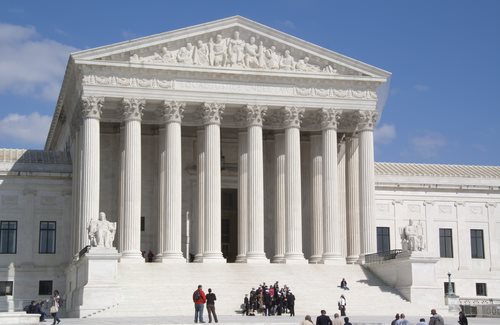
The Federal Court, through this definition, is held in
contrast to the State court system, which is the judicial system that possesses
jurisdiction over matters concerning the laws, rules and regulations of the
individual states.
Levels of the Federal Court System
The Federal Court system consists of three distinct levels. The
first or lowest level present in the Federal Court system contains the U.S.
District Court. The District Courts in the United States are the trial courts
of the Federal judicial system. The majority of Federal Court cases originate
within this classification.
The middle level of the Federal Court system contains the U.S.
Court of Appeals, which is subsequently divided into 12 regional or Circuit
Courts. When a decision is made in the U.S. District Court, the parties present
in the underlying case may request that the decision be reviewed by a
three-judge tribunal in the United States Court of Appeals.
The Court of
Appeals may subsequently choose to overturn a court decision of the lower
system or have the case reviewed by the entire Circuit System. In addition, the
Court of Appeals may also remand the case back to the District Court for a
further review or do nothing and allow the previously rendered decision to
stand as is.
The United States Supreme Court
The highest court present in the Federal Court system is the
Supreme Court of the United States. The Supreme Court consists of a Chief
Justice and eight Associate Justices. Each Associate Justice is appointed by
the President of the United States and subsequently affirmed by the Senate.
According to the guidelines set by the United States Congress, the Supreme
Court may review cases from the U.S. Court of Appeals and cases from State Supreme
Courts that possess Federal implications.
In the United States, the Supreme Court is the highest court
system and the last judicial forum to which a case may be appealed. As a result
of its classification as the highest judicial body in the Federal Court system,
no decision may be appealed in the Supreme Court. All decisions made in the
Supreme Court stand as final.
The United States Supreme Court also has the ability to
invalidate forms of legislation or actions of the Government which the Federal
Court determines as unconstitutional. This direct power of the Supreme Court is
known as “Judicial Review” and represents one of the predominant elements of
the checks and balances system.
The United States Federal Government enables
the United States Supreme Court with an influence and power that is typically
not found in the judicial systems of other nations.