Court of Appeals Role
📅 2026 Update: Key Changes in Court of Appeals Procedures
Since the original article was published, there have been important updates regarding the court of appeals and the Board of Immigration Appeals (BIA). These changes affect deadlines, processing times, filing fees, and procedures. The earlier article continues further down the page, providing additional context and details.
🏛️ Federal Rules of Appellate Procedure Amendment
In 2025, the Federal Rules of Appellate Procedure were amended. These rules guide how appeals are handled in federal courts. Understanding these amendments is crucial for anyone considering filing an appeal.
🕒 BIA Procedures Overhaul
On February 6, 2026, the BIA published an interim final rule that restructured its appellate procedures. This change reduces the standard filing deadline for most appeals from 30 to 10 calendar days. This is a significant shift for those navigating immigration appeals.
💵 Current Filing Fees
Filing fees have also changed. The fee to file a notice of appeal in federal court is now $605. For the BIA, the fee for filing an appeal or motion remains $1,060.
This fee applies to motions to reopen or reconsider as well.
⏳ Processing Times
The median processing time for federal civil appeals is now approximately 11.5 months. For federal criminal appeals, it is about 10.8 months. The BIA has introduced measures to speed up processing, which may help reduce wait times.
📅 Deadlines for Appeals
Deadlines for filing appeals are critical. For federal civil appeals, you must file within 30 days of the judgment entry. For federal criminal appeals, the deadline is 14 days.
For BIA appeals, the deadline is 10 calendar days, except in certain asylum cases where it is 30 days.
📌 Summary of Key Points
- 🏛️ Federal Rules of Appellate Procedure were amended in 2025.
- 🕒 BIA's filing deadline for most appeals is now 10 days.
- 💵 Federal court filing fee is $605; BIA fee is $1,060.
- ⏳ Processing times are 11.5 months for civil and 10.8 months for criminal appeals.
- 📅 Deadlines vary: 30 days for civil, 14 days for criminal, and 10 days for BIA appeals.
💡 Tips for Navigating Court of Appeals
Review your specific situation carefully with your attorney. Understanding your options is crucial for a successful appeal.
📝 Understand the Amendments
Familiarize yourself with the 2025 amendments to the Federal Rules of Appellate Procedure. These changes may affect how your case is presented in court.
⏰ Pay Attention to Deadlines
Make sure to note the specific deadlines for your appeal. Missing a deadline can jeopardize your case.
💼 Keep Track of Filing Fees
Know the current filing fees before submitting an appeal. The federal court charges $605, while the BIA charges $1,060.
📊 Monitor Processing Times
Be prepared for the average processing times. Federal civil appeals take about 11.5 months and criminal appeals around 10.8 months.
📞 Seek Assistance When Needed
If you need help, look for local legal aid organizations. They may offer support for navigating the appeals process.
🌐 Use Available Resources
Utilize resources from the Executive Office for Immigration Review (EOIR) for BIA appeals. They provide guidance on the appeals process, though they do not offer direct representation.
🏆 Free Options Ranked by User Reviews (2026)
No national paid service met the review threshold for this topic. Instead, here are free government and nonprofit resources that can help with appeals.
🥇 1. Executive Office for Immigration Review (EOIR)
The EOIR provides valuable information on immigration appeals. They offer guidance on the procedures and requirements for filing appeals with the BIA.
🥈 2. Federal Courts Website
The U.S. Courts website has resources related to federal appellate procedures. This includes the Federal Rules of Appellate Procedure and helpful forms for filing appeals.
🥉 3. Local Legal Aid Organizations
Many local legal aid organizations may provide assistance with appeals. They can help individuals understand their rights and the appeals process, depending on their resources.
4️⃣ Court Clerk's Office
The clerk's office at your local court can provide information on filing procedures. They can assist with understanding deadlines and required documentation for appeals.
5️⃣ Public Law Libraries
Public law libraries often have resources about the appellate process. They may provide access to legal texts and forms that can help you prepare your appeal.
🔎 What to Check Before Paying for Help
- 💰 Know the total costs involved in your appeal.
- 📋 Verify the qualifications of anyone offering help.
- 📅 Understand the timelines for any services provided.
- 📞 Check for available free resources before paying.
❓ Frequently Asked Questions
❓ What is the filing fee for a federal appeal?
The filing fee to submit a notice of appeal in federal court is $605.
📅 How long do I have to file an appeal?
For federal civil appeals, you have 30 days from the judgment entry. For federal criminal appeals, the deadline is 14 days.
🏛️ What are the eligibility requirements for filing an appeal?
Eligibility generally depends on the right to appeal from a final judgment or order of a district court.
🏢 Can I file a BIA appeal without a specific form?
While no specific form is required for a motion to reopen or reconsider before the BIA, the standard fee of $1,060 still applies.
⏳ How is the BIA working to expedite appeals?
The BIA has implemented measures, including a certiorari-like system of docket control, to speed up processing times for appeals.
📞 Where can I find help with my appeal?
Local legal aid organizations may offer assistance, and the EOIR provides resources and guidance for navigating BIA appeals.
⚖️ Recent Court Cases Related to Appeals
Recent court rulings highlight important aspects of the appeal process in both federal and immigration courts. These cases demonstrate how changes in procedures and rules impact the rights of individuals during appeals.
- Puerto Rico Court Dismisses Appeal in Employment DisputeTribunal De Apelaciones De Puerto Rico/Court of Appeals of Puerto Rico · August 10, 2026
- Puerto Rico Court Affirms Ruling on Unclaimed Funds CaseTribunal De Apelaciones De Puerto Rico/Court of Appeals of Puerto Rico · August 12, 2026
- Puerto Rico Court Rules Against Heir in Rental Dispute CaseTribunal De Apelaciones De Puerto Rico/Court of Appeals of Puerto Rico · August 13, 2026
- Puerto Rico court dismisses challenge to new procurement rulesTribunal De Apelaciones De Puerto Rico/Court of Appeals of Puerto Rico · August 13, 2026
For more insights, check out more rulings on the news page.
End of October 2026 Update
An appellate court is often referred to as a court of appeals. This is a court which takes on cases that have already gone through lower courts. Most often, the reason the appellate courts see these cases is because an appeal was made regarding the original verdict. This is often the case when it comes to criminal trials.
When an appeal is made to the appellate court, this is one of the biggest and most important steps for individuals working on the case. For the person appealing the case, it is a matter of proving innocence for a case that has already been closed as guilty. For the judge and the jury, these cases are often considered a matter of setting precedence. What this means is the ruling made by the judge and all the areas considered are referred to in cases after it. As such, those working on the cases take great care in making assertions and judgments based on the case.
In the United States one of the largest and most well-known appellate courts is that of the Supreme Court. The Supreme Court is the highest ranking court system in the United States and is considered to be the final say in criminal matters. When the Supreme Court receives appeals cases, these are normally of a very sensitive nature and require long trial and deliberation. After a trial, the Supreme Court’s verdict is final when it comes to the case they have looked at. There is no other appellate court a case can be brought to once it has gone through the Supreme Court.
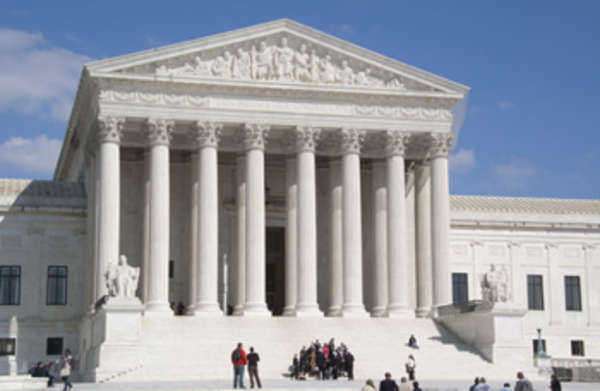
An appellate court or a court of appeal is a higher ranking court that is supposed to correct the errors or wrong judgment of the lower courts.