What Are Supreme Court Judgments
📅 2026 Update: Recent Changes in US Court Procedures
Since the original article was published, several important updates have shaped the landscape of US courts. Changes in technology, legislative actions, and new court procedures have emerged that impact how cases are managed and processed. The earlier article continues further down the page, offering foundational insights into Supreme Court judgments.
🤖 Case Management Modernization
The federal judiciary is updating its Case Management/Electronic Case Files (CM/ECF) system. This modernization aims to enhance cybersecurity and improve overall efficiency in court operations. The first part of this upgrade is set to launch by the end of 2026, with complete implementation expected in district courts by 2027.
🏢 Real Property Authority
In July 2026, bipartisan senators introduced legislation to allow the judiciary to manage courthouse properties directly. This change intends to boost operational efficiency and streamline how court facilities are handled. Direct management may lead to better resource allocation and improved access for the public.
📅 Default Judgment Processing Times
Processing times for obtaining a default judgment can vary significantly. Some courts may complete the process in a matter of weeks, while others could take longer based on caseload and case complexity. Understanding local court procedures is essential for timely resolutions.
💼 Free Legal Assistance
Many nonprofit organizations provide free legal help to those who qualify. For example, the National Indian Law Library offers resources that may assist with federal court cases. Additionally, local courts often have self-help centers that guide individuals through court procedures and necessary forms.
📌 Key Takeaways
- 🤖 CM/ECF system modernization is underway for better security.
- 🏢 Proposed legislation allows judiciary property management.
- 📅 Default judgment processing times can vary widely.
- 💼 Free legal help is available through nonprofits and self-help centers.
💡 Tips for Navigating Court Procedures
Review the details of your situation with your attorney to ensure the best possible outcome.
📄 Understand Filing Fees
Filing fees can vary by court type and jurisdiction. It's important to check the specific court's official website or contact the clerk's office for the most accurate and up-to-date fee structures.
⏳ Know the Default Judgment Timeline
If a defendant fails to respond to a lawsuit, you can file for a default judgment. Ensure you do this within the time frame typically set at 20 to 30 days after service to avoid delays.
📋 Prepare for Declaratory Judgments
When seeking a declaratory judgment, file a petition that clearly outlines the legal issue. Demonstrating the necessity for court intervention is crucial for obtaining a favorable ruling.
⚖️ Utilize Local Resources
Many courts have self-help centers that provide free assistance on legal procedures, including filing forms and understanding court processes. These resources can be invaluable for individuals navigating the system.
📞 Seek Free Legal Aid
Consider reaching out to legal aid organizations for help. Many nonprofits offer free legal services, which can be beneficial, especially in complex cases or for those with limited resources.
❓ Frequently Asked Questions
🤔 What are the current filing fees for courts?
Filing fees vary based on court type and jurisdiction. It's best to check the specific court's official website or contact their clerk's office for accurate information.
🕒 How long does it take to get a default judgment?
The time to obtain a default judgment can differ widely. Some courts may process it in weeks, while others may take longer depending on their backlog and the complexity of the case.
⚖️ What is a declaratory judgment?
A declaratory judgment is a court ruling that clarifies a legal issue and outlines the parties' rights in a specific situation. It is granted when there is an actual controversy that needs judicial intervention.
📅 How do I know if I qualify for free legal assistance?
Eligibility for free legal assistance often depends on income and specific legal needs. Many legal aid organizations provide guidelines on their websites to help determine qualification.
📄 Where can I find self-help resources for court procedures?
Many local courts have self-help centers that offer free resources and guidance on court procedures. Checking with your local court can provide access to these valuable resources.
🏢 What should I do if I can't afford a lawyer?
If you cannot afford a lawyer, consider reaching out to legal aid organizations or exploring self-help resources available at your local court. Many nonprofits offer assistance based on financial need.
⚖️ Recent Court Cases
Several recent rulings illustrate how rulings can impact court procedures and public interest. These cases highlight ongoing legal challenges and developments within the judiciary.
- Court Reverses Dismissal of Tammy Ellis' Case Against CompanyDistrict Court of Appeal of Florida · May 22, 2026
- Florida court rules on alimony arrears in Stouse caseDistrict Court of Appeal of Florida · May 22, 2026
- Florida court rules on income deduction orders in divorce caseDistrict Court of Appeal of Florida · May 22, 2026
- Alabama court dismisses custody case due to jurisdiction issueCourt of Civil Appeals of Alabama · May 22, 2026
For more recent rulings, browse more rulings on the news page.
End of October 2026 Update
Supreme Court judgments take place according to the procedures established by the United States Constitution. Decisions of this kind are made during a term of the Court, which lasts from the start of October in one year to either June or July during the next. Supreme Court judgments are provided, within the space of a single term, on the basis of alternating two week periods.
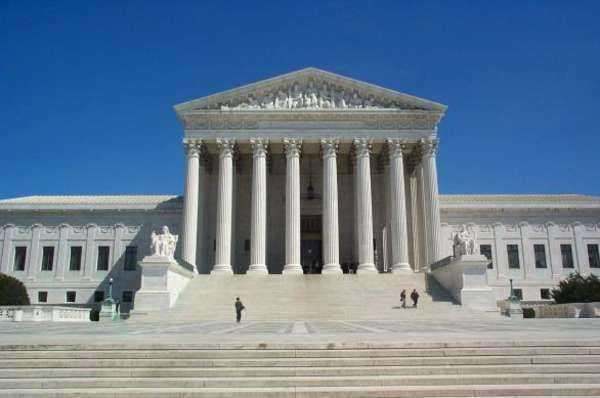
During the sittings of the Supreme Court, Supreme Court judgments can be made on cases already heard while new cases are also brought to the attention of the judges. In the recesses, meanwhile, the Justices write on and talk about the cases they have heard and the best Supreme Court judgments which should accordingly be issued.
Supreme Court jurisdictions are typically made within the wide parameters established by the concept of appellate jurisdiction, as is one of the concerns of the Constitution’s language on the role of the Supreme Court. Supreme Court judgments are thus made almost without exception in regard to judgments already rendered by lower courts and can take the form of either affirming or overruling the decisions which were thus made.
Before the time of actually rendering the Supreme Court judgments, the Justices must in some way be exposed to the claims being made by those appealing a decision, which can be done in varying ways. A Petition for a Writ of Certiorari or an Extraordinary Writ, such as one for habeas corpus, are some of the legal actions which can precede Supreme Court judgments.