Quick Outline of State Supreme Court
📅 2026 Update: Changes in Supreme Court Procedures and Fees
Since the original article was published, there have been important updates to the procedures and fees related to the U.S. Supreme Court. These changes affect how cases are processed, the costs involved, and some rules governing the Court.
The earlier article continues further down the page.
🏛️ Recent Amendments to Court Rules
On December 1, 2025, significant amendments to the Federal Rules of Appellate Procedure, Bankruptcy Rules, and Civil Rules became effective. This includes changes to specific rules that affect how cases are filed and processed. These updates are crucial for understanding current court procedures.
- 📜 Rule Changes: The amendments include updates to Appellate Rules 6 and 39, as well as Bankruptcy Rules 3002.1 and 8006. New Rule 16.1 has also been introduced, impacting how civil cases proceed.
💰 Current Fees and Costs
As of May 1, 2025, the U.S. Court of Appeals for the Fourth Circuit implemented new fees. The docketing fee for petitions for review or mandamus is now $600, and the fee for appeals from district courts is $605.
- 💵 PACER Fees: For those accessing court documents electronically, the Public Access to Court Electronic Records (PACER) Service Center charges $0.10 per page, with a maximum fee of $3 per document.
📄 Filing and Case Selection
When filing a petition for certiorari, a party must formally request the Supreme Court to review a case. The time frame for filing varies by case type.
- ⏳ Petition Deadlines: Specific deadlines for petitions and briefs are outlined in the Federal Rules of Appellate Procedure, making it essential to meet these timelines to ensure a case is heard.
📅 Oral Arguments and Opinions
The Supreme Court hears oral arguments from October through April each year.
- 🗣️ Argument Schedule: Oral arguments are scheduled on Mondays, Tuesdays, and Wednesdays, and decisions are typically released by the end of the Court's term. Some unanimous decisions may be available as early as December.
📌 Key Updates Summary
- 🏛️ New amendments to court rules took effect on December 1, 2025.
- 💰 Docketing fees for appeals are now $600 and $605.
- 📄 Specific deadlines for petitions and briefs are critical for case processing.
- 📅 Oral arguments are held from October to April, with decisions released by term's end.
💡 Tips for Navigating Court Procedures
Review the details of your own situation with your attorney.
📋 Understand Filing Fees
Be aware of the current fees for filing petitions and appeals. Knowing the costs upfront can help you budget for legal proceedings.
⏰ Meet Deadlines
Pay close attention to deadlines for filing petitions and briefs. Missing these deadlines can result in your case not being heard.
📜 Know the Rules
Familiarize yourself with the Federal Rules of Appellate Procedure. Understanding these rules will make navigating the court system easier.
🗣️ Prepare for Oral Arguments
If your case reaches oral arguments, prepare thoroughly. Each side typically has 30 minutes to present their case, so clear and concise arguments are essential.
🔍 Stay Updated on Amendments
Keep track of any amendments to court rules. Changes can impact how your case is handled and what procedures you need to follow.
🏆 Top Legal Services Ranked by User Reviews (2026)
The following services provide legal assistance relevant to navigating court procedures and filing cases. These reviews are based on Trustpilot data from October 2026. It’s important to note that scores may change, and unhappy customers tend to leave more reviews, which can influence ratings.
🥇 1. Rocket Lawyer
Rocket Lawyer has a Trustpilot score of 4.5. This service is known for online legal services, document creation, and providing legal advice. However, some users mention unexpected charges and concerns about the subscription model, which could affect your overall experience.
🥈 2. LegalZoom
LegalZoom holds a Trustpilot score of 4.6. It is recognized for its online legal services, document preparation, and business formation assistance. While many users report satisfaction, some have noted delays in customer support response times, which could impact timely legal needs.
🥉 3. LegalShield
LegalShield averages a Trustpilot score of 4.5. This service is known for its legal protection plans and access to attorneys for legal advice. Some reviewers report difficulties in reaching assigned attorneys directly, which may hinder their ability to get timely assistance.
4️⃣ LegalMatch
LegalMatch has a Trustpilot score of 3.5. It is recognized for connecting clients with local attorneys and matching legal cases. However, some users have reported unreturned calls and unanswered emails, which could affect their ability to find suitable legal representation.
🆓 Free Legal Aid and Resources
Many local legal aid organizations offer free or low-cost services for individuals needing legal assistance. Law libraries also provide free resources and support to the public.
🔎 Key Factors to Compare Legal Services
- 📈 Review scores and trends over time.
- 💬 Customer feedback on service quality and responsiveness.
- 💵 Transparency of fees and potential additional charges.
- 🗂️ Range of services offered and areas of legal expertise.
❓ Frequently Asked Questions
❓ What is a petition for certiorari?
A petition for certiorari is a formal request to the Supreme Court to review a case from a lower court. It asks the Court to order the lower court to send up the case's record for review.
🕒 How long does the Supreme Court take to decide a case?
The Supreme Court typically releases opinions by the last day of its term, which runs from October to the following October. Some opinions may be issued earlier, particularly unanimous ones.
📅 When are oral arguments held?
Oral arguments are generally heard from October through April on Mondays, Tuesdays, and Wednesdays. This schedule allows the Court to process cases efficiently throughout its term.
📝 What happens during oral arguments?
During oral arguments, each side has about 30 minutes to present their case. The petitioner argues first, followed by the respondent, allowing the Justices to ask questions.
🔍 How does the Supreme Court select cases?
The Supreme Court receives over 7,000 requests for review each year but typically accepts only 100-150 cases. It focuses on cases with national significance or those that resolve conflicts in lower courts.
📜 How can I stay informed about court rule changes?
To stay updated on changes to court rules, regularly check the U.S. Courts website or follow news related to legal reforms. This will ensure you are aware of any amendments that may affect your legal situation.
⚖️ Recent Cases and Rulings
Recent court rulings have highlighted significant issues within the Supreme Court's jurisdiction and procedures. These rulings relate to important constitutional principles and affect many individuals' legal rights.
- Puerto Rico court rules on Qualified Domestic Relations OrderTribunal De Apelaciones De Puerto Rico/Court of Appeals of Puerto Rico · April 14, 2026
- Puerto Rico Court Appeals Decision in Divorce Asset DisputeTribunal De Apelaciones De Puerto Rico/Court of Appeals of Puerto Rico · April 13, 2026
- Puerto Rico court denies appeal in custody dispute caseTribunal De Apelaciones De Puerto Rico/Court of Appeals of Puerto Rico · April 13, 2026
- Puerto Rico Court Rules on Eviction Case Involving Rental DisputeTribunal De Apelaciones De Puerto Rico/Court of Appeals of Puerto Rico · April 13, 2026
For more recent rulings, feel free to browse more rulings on the news page.
End of October 2026 Update
In the United States, there are several levels of courts. The State Supreme Court is the highest court within each State's jurisdiction. The State Supreme Court hears cases which involve appeals of the lower court decisions within the State. In fact, the State Supreme Court does not hear trials, but instead hears cases in which individuals involved in trials in the lower courts believe that the outcome was unfair or based on facts which were not supported by evidence.
State Supreme Courts hear cases in which it is believed that there was a legal error made in the original case. For example, a judge may have allowed facts into evidence which should not have been legally allowed. Cases which involve problems with the jury, including the presentation of facts which should not have been heard, may also be presented to State Supreme Courts. If the State Supreme Court determines that the case involved an error of justice, the case may be heard again in the lower courts.
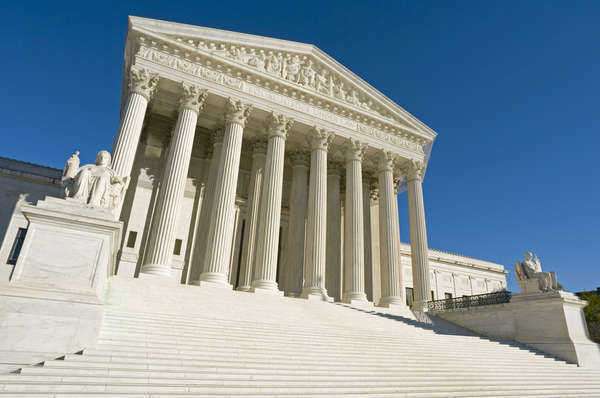
States Supreme Courts are made up of a panel of judges which are appointed according to the rules and regulations, as laid out by each State's Constitution. When these judges make a decision, it is legally binding for all parties involved and must be accepted by the other courts, as well as the individuals involved in the case.
However, there are cases in which the finding of a State Supreme Court can be overruled, if there are Federal issues involved for instance.